Can a Minor Car Accident Cause Long-Term Damage? What Vancouver Drivers Should Know
Published on February 20, 2026
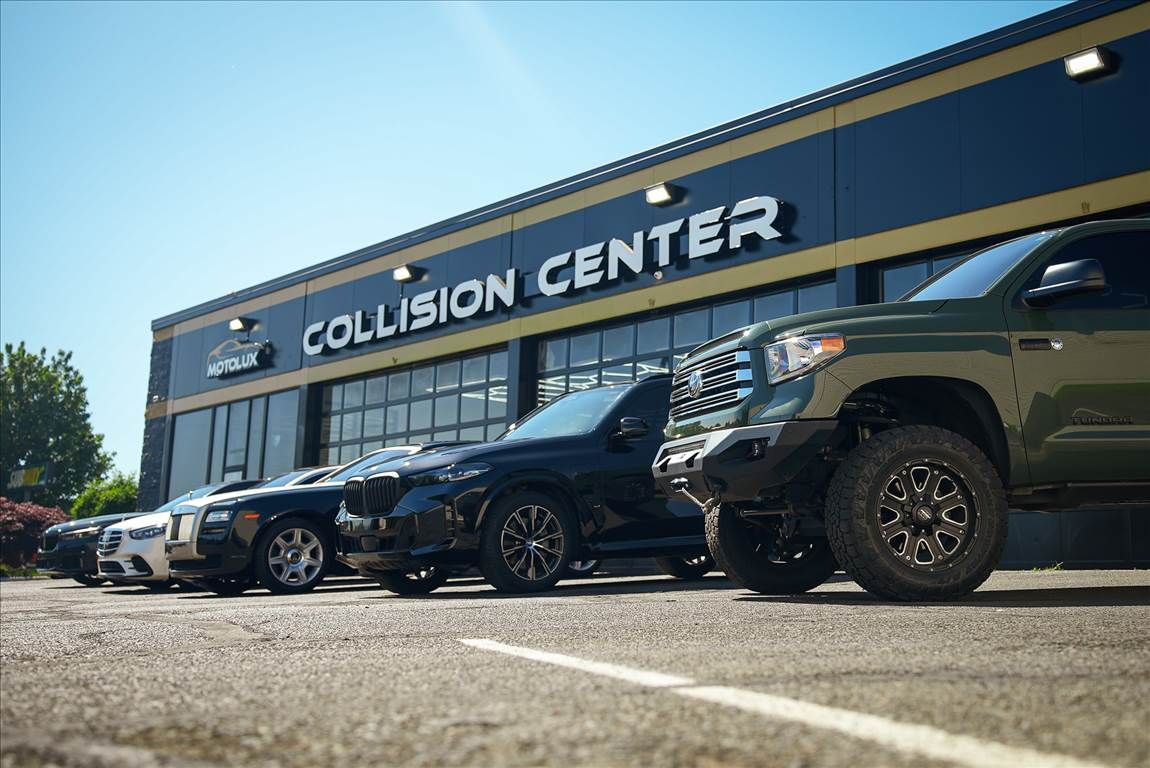
Most drivers breathe a sigh of relief after a minor accident. If the car still drives and the damage looks small, it’s easy to assume everything is fine. But here’s what many Vancouver, WA drivers don’t realize: Even minor accidents can cause long-term damage that isn’t immediately visible. At Motolux Collision Center, we regularly inspect vehicles that appear “mostly fine” on the outside — but show structural stress, sensor misalignment, or hidden mechanical issues underneath. Let’s break down what really happens after a minor collision.
Why Modern Vehicles Hide Damage So Well
Today’s vehicles are designed to absorb impact efficiently. Bumpers, crumple zones, and reinforcement bars are engineered to take the force so passengers stay protected.
- Bent mounting brackets
- Stress fractures in structural components
- Subtle frame misalignment
- Sensor displacement
That’s good for safety. But it also means damage often travels inward instead of outward. Without professional inspection, these issues go unnoticed.
The Structural Impact You Can’t See
Your vehicle’s frame is the backbone of its safety system.
- Shift frame geometry slightly
- Weaken weld points
- Affect crumple zone performance
- Change panel alignment
You may not feel it during daily driving — but during another collision, that weakened structure may not protect you the same way.
Suspension and Steering Changes After Minor Collisions
A small impact can also affect: - Wheel alignment - Control arms - Tie rods - Steering responsiveness Resulting issues:
- Uneven tire wear
- Steering pull
- Vibration at highway speeds
- Reduced braking stability
These problems don’t always show up immediately — they develop gradually.
Safety Sensors: The Hidden Risk
Modern vehicles rely on Advanced Driver Assistance Systems (ADAS), including:
- Lane departure warnings
- Blind spot monitoring
- Automatic emergency braking
These systems depend on precise sensor alignment. Even a slight shift from a minor impact can cause inaccurate readings — and that can become dangerous when you need those systems most.
Why Vancouver, WA Driving Conditions Make This Worse
In Vancouver, drivers deal with:
- Wet road conditions
- Heavy traffic
- Stop-and-go driving
- Seasonal temperature shifts
When structural or alignment issues exist, these conditions can accelerate wear and worsen damage. Moisture can also enter cracked paint or exposed metal, leading to rust that spreads beneath the surface.
Signs Your “Minor” Accident Wasn’t Minor
Schedule an inspection if you notice:
- Steering feels slightly off
- New vibration at higher speeds
- Doors or trunk misaligned
- Warning lights on dashboard
- Increased road noise
Even subtle changes matter.
Why Professional Inspection Is Critical
A certified collision center will:
- Perform structural measurements
- Conduct electronic diagnostic scans
- Check alignment and suspension
- Inspect hidden mounting points
- Verify sensor calibration
This ensures your vehicle is safe — not just visually repaired.
Protect Your Vehicle’s Long-Term Safety
Just because damage looks small doesn’t mean it is. If you’ve recently experienced even a minor collision, a professional inspection can prevent long-term issues and ensure your vehicle remains safe to drive.
Get Professional Repair Today
Trust the experts to handle complicated auto diagnostics and protect your vehicle's value. Contact Motolux Collision Center for a free estimate.