Why a Car That “Looks Fine” After an Accident May Still Have Hidden Problems
Published on April 04, 2026
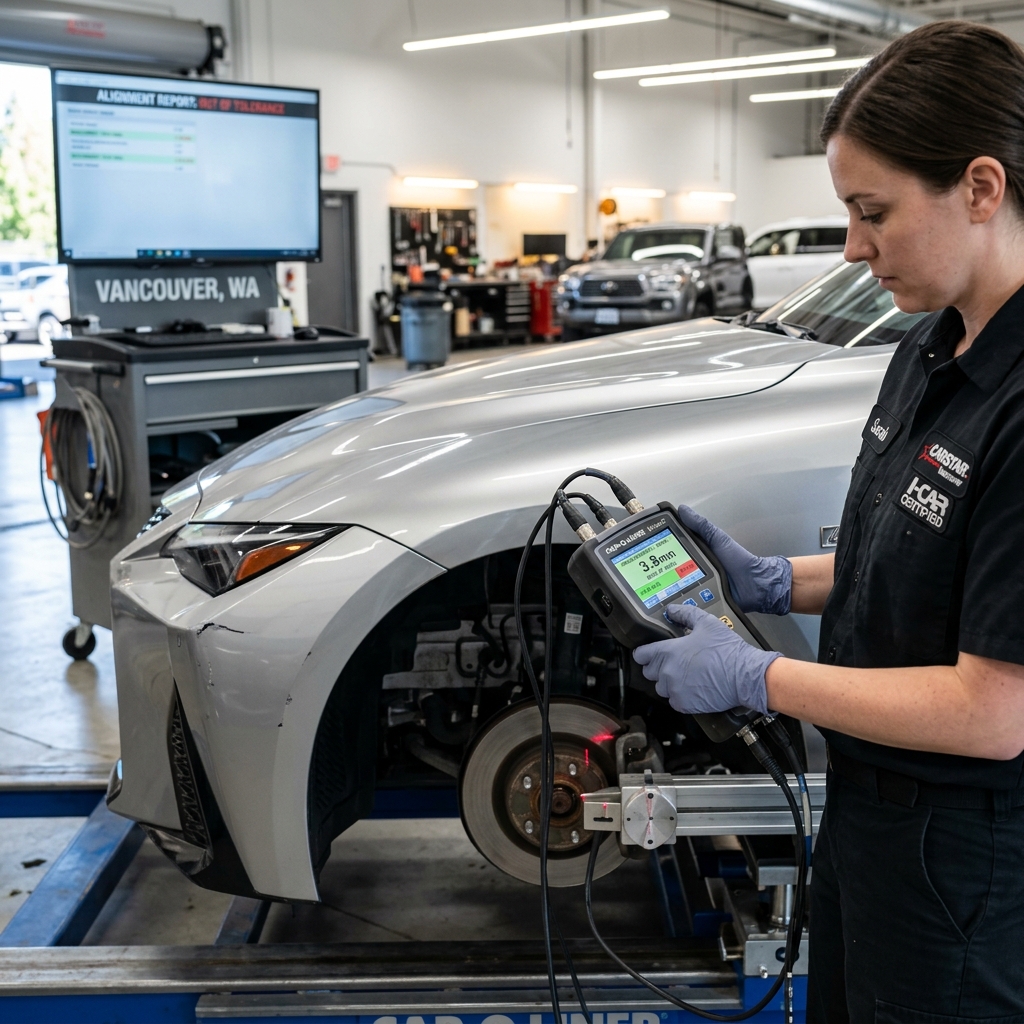
After an accident, one of the most common reactions drivers have is relief. If there are no major dents, no broken parts, and the car still drives, it feels like the situation wasn’t serious. Many drivers in Vancouver, WA leave the scene thinking they got lucky — that the damage is purely cosmetic or not worth worrying about. But this is where many problems begin. A vehicle can look completely fine on the outside and still have underlying issues that affect its performance, safety, and long-term reliability. At Motolux Collision Center, it’s common to inspect cars that appear undamaged but reveal subtle changes once a detailed evaluation begins.
Why Visual Inspection Isn’t Enough
Most drivers rely on what they can see. If the body panels look straight and there are no obvious dents, it’s easy to assume everything underneath is also fine. However, modern vehicles are designed in a way that hides damage very effectively. When a collision occurs, the energy from the impact doesn’t just affect the outer surface. It travels through the vehicle’s structure, often reaching internal components that are not visible without proper inspection. This means that a car can appear untouched while still experiencing:
- Minor shifts in structural alignment
- Stress in mounting points
- Subtle changes in suspension geometry
These changes may be small, but they can influence how the vehicle behaves over time.
The Nature of Hidden Damage
Hidden damage is not always dramatic or immediately noticeable. In fact, one of the biggest challenges is how quietly it develops. Right after the accident, everything may feel normal. The car drives, turns, and stops as expected. There are no warning signs, no alerts, and no immediate reason for concern. But as days or weeks pass, small differences begin to appear. You might notice that the steering feels slightly different. The car may not track as straight on the highway. There could be a faint vibration that wasn’t there before, or a door that doesn’t close quite as smoothly. These are the kinds of subtle changes that often indicate something has shifted beneath the surface.
How Minor Impacts Affect Vehicle Structure
Even low-speed collisions can have an effect on a vehicle’s internal structure. Modern cars are built with components that are designed to absorb impact energy. While this helps protect passengers, it also means that parts of the vehicle may deform slightly during an accident — even when the exterior damage is minimal. This can affect areas such as:
- Frame mounting points
- Suspension connections
- Panel alignment structures
These components are designed to work together with precision. When one element shifts, it can influence how the entire system functions.
Why These Issues Matter Over Time
One of the biggest risks of hidden damage is that it doesn’t stay static. It can gradually lead to other problems. For example, a slight misalignment may not feel serious at first, but over time it can place uneven stress on tires and suspension components. This can lead to additional wear, reduced performance, and a less stable driving experience. Similarly, small structural shifts can affect how panels fit together, how doors close, and how seals perform in different weather conditions. In Vancouver, WA — where rain and moisture are common — even small inconsistencies can allow water to enter areas it shouldn’t. Over time, this can lead to corrosion or interior issues.
The Role of Driving Conditions in Vancouver
Driving conditions in Vancouver make hidden damage more noticeable over time. Frequent rain reduces traction, which means vehicles rely more heavily on proper alignment and stability. Stop-and-go traffic requires responsive braking and steering. Small inconsistencies that might go unnoticed in ideal conditions can become more obvious in real-world driving. This is why even minor changes in handling or performance should not be ignored.
Why Professional Inspection Makes the Difference
A professional inspection goes far beyond what can be seen from the outside. Technicians use specialized tools and techniques to evaluate:
- Structural alignment
- Suspension positioning
- Steering response
- System performance
This allows them to identify issues that would otherwise go unnoticed. The goal is not just to confirm that the vehicle looks good, but to ensure that it performs exactly as it should.
When Should You Get Your Car Checked?
If you’ve been in an accident — even a minor one — it’s worth considering an inspection, especially if you notice small changes such as:
- Steering feels slightly off
- New vibrations appear during driving
- Panels or doors don’t align perfectly
- The car feels different than before
Even if these changes seem minor, they can provide important clues about what’s happening beneath the surface.
A vehicle that looks fine isn’t always fine. Modern cars are built to protect you, and part of that protection involves absorbing and managing impact in ways that aren’t always visible. While this design improves safety, it also means that damage can exist where you can’t see it. Taking the time to have your vehicle inspected after an accident is one of the best ways to ensure that everything — not just the exterior — has been properly restored. Because when it comes to your safety, what’s hidden matters just as much as what’s visible.
Ensure Your Vehicle is Truly Fixed
Don't let hidden damage compromise your safety. Our experts at Motolux Collision Center can provide a detailed inspection to ensure every part of your car is correctly restored.