Why Your Car’s Safety Systems May Not Work the Same After a Collision
Published on April 02, 2026
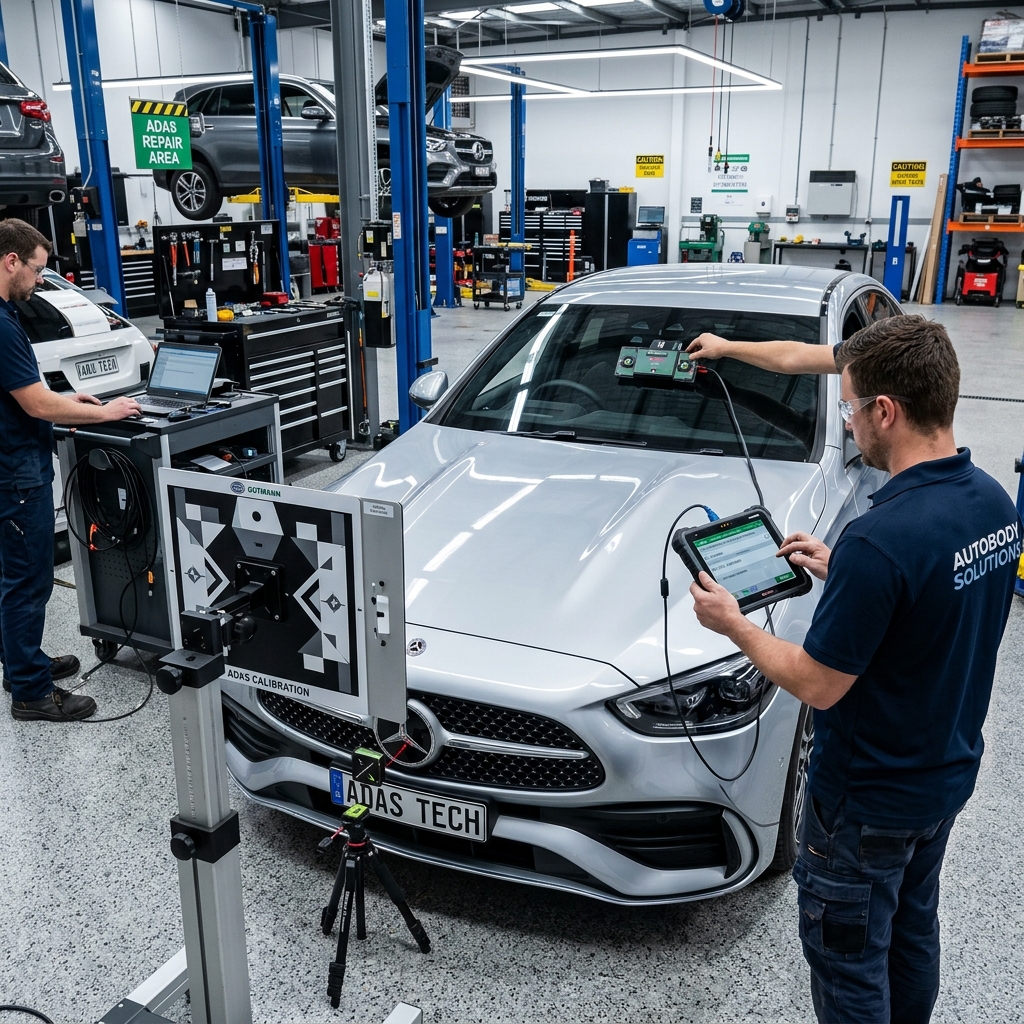
After an accident, most drivers focus on what they can immediately see. They check the body damage, the paint, and whether the car is still drivable. If everything appears normal, it’s easy to assume the vehicle is fully repaired. But modern vehicles are far more complex than they appear on the surface. Today’s cars are equipped with advanced safety systems designed to assist drivers and prevent accidents. These systems work quietly in the background, constantly monitoring your surroundings and reacting in real time. When a collision occurs, even a minor one, these systems can be affected in ways that are not immediately obvious. Many drivers in Vancouver, WA continue driving their vehicles after repairs without realizing that their safety systems may not be functioning exactly as intended.
The Hidden Complexity of Modern Safety Systems
Vehicles today rely on a network of sensors, cameras, and electronic modules. These components are carefully calibrated to work together with precision. Systems such as lane departure warnings, blind-spot monitoring, and automatic braking depend on exact positioning. Even a slight shift caused by a collision can affect how these systems interpret the environment around your vehicle. What makes this challenging is that these issues don’t always trigger warning lights. The car may appear to function normally during everyday driving, but the system’s response in a critical moment may not be accurate.
How a Collision Disrupts System Accuracy
When a vehicle experiences impact, the force can travel through areas where sensors and components are mounted. A bumper may shift slightly. A bracket may move just enough to alter positioning. A camera angle may change by a fraction. To the driver, nothing looks different. But internally, the system is no longer aligned with factory specifications. This can result in delayed responses, incorrect alerts, or missed detections. In real-world conditions, especially in busy Vancouver traffic, these differences can matter more than most people realize.
Why Drivers Often Don’t Notice Immediately
One of the biggest misconceptions is that a vehicle will always “tell you” when something is wrong. In reality, many safety systems continue operating even when they are slightly out of alignment. The difference becomes noticeable only under specific conditions — sudden braking, unexpected obstacles, or tight traffic situations. Because these situations are unpredictable, drivers may not realize there is an issue until the system fails to respond properly.
The Importance of Proper Recalibration
After a collision, restoring the physical damage is only part of the repair process. Ensuring that safety systems are recalibrated is equally important. This process involves precise adjustments using specialized equipment and manufacturer guidelines. It ensures that sensors, cameras, and related systems are aligned exactly as they were before the accident. Without this step, the vehicle may not provide the level of protection it was designed to deliver.
Why This Matters in Vancouver, WA
Driving conditions in Vancouver add another layer of importance. Wet roads, frequent stops, and dense traffic all require quick reactions and reliable assistance systems. When safety systems are functioning properly, they support the driver during these conditions. When they are even slightly off, they can create a false sense of confidence.
After a collision, it’s easy to focus on what you can see. But what you can’t see often matters more. Making sure your vehicle’s safety systems are functioning correctly is one of the most important steps in restoring your car — and protecting yourself on the road.
Ensure Your Safety Systems Are Ready
Don't leave your safety to chance. Let our certified technicians recalibrate your vehicle's systems to factory specifications.