Why Your Car May Develop Vibration Issues After a Collision
Published on April 22, 2026
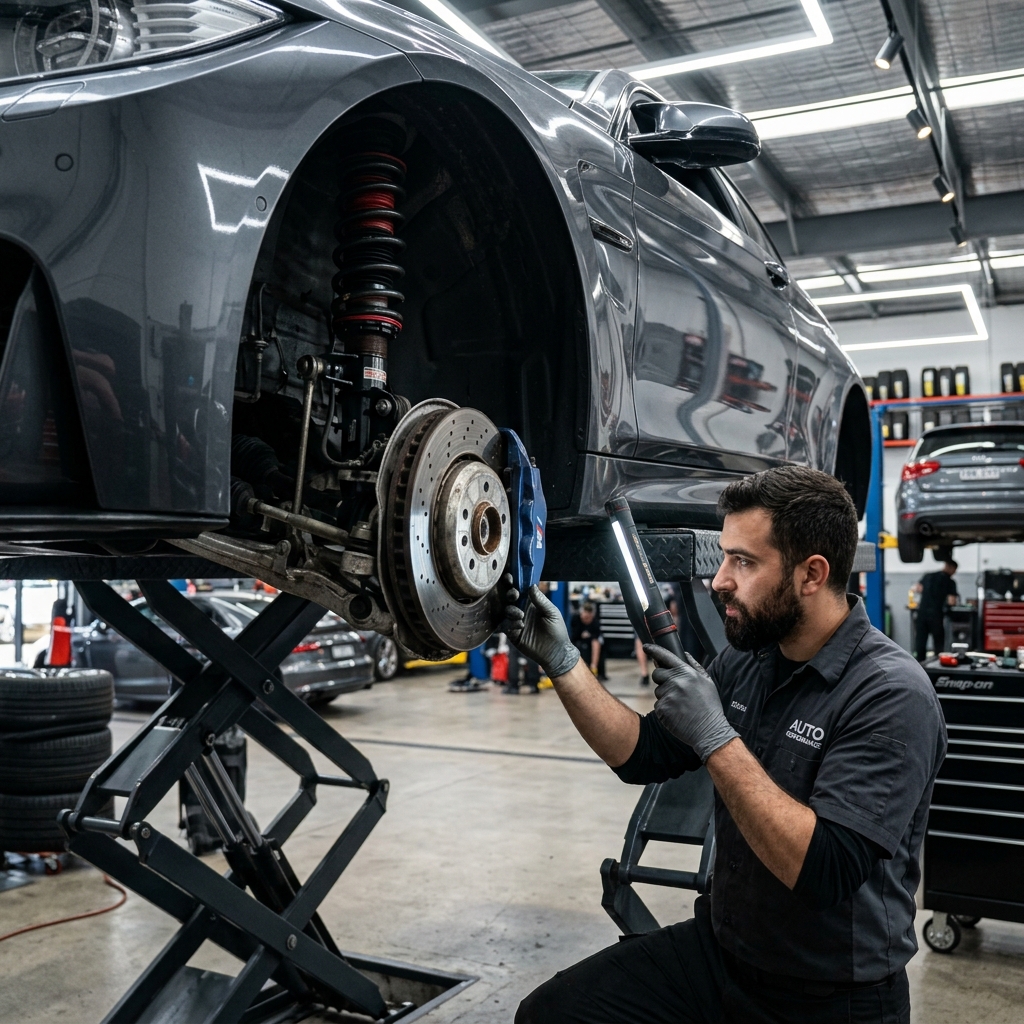
After an accident, drivers usually pay attention to what they can see — dents, scratches, or damaged panels. If the car looks repaired and drives, it’s easy to believe everything is back to normal. But sometimes, the first sign that something isn’t quite right isn’t visible — it’s something you feel. A slight vibration in the steering wheel. A subtle shake at higher speeds. A feeling that the car is not as smooth as it used to be. These are common experiences reported by drivers in Vancouver, WA after a collision, even when the damage initially seemed minor.
Understanding Where Vibrations Come From
A vehicle is designed to operate smoothly, with all components working in balance. When everything is aligned properly, the car moves without noticeable vibration. After a collision, however, that balance can be disrupted. The impact can affect several areas, including:
- Wheel alignment
- Suspension components
- Tire positioning
- Mounting points within the frame
Even a small shift in one of these areas can create a ripple effect that leads to vibration.
Why Vibrations Don’t Always Appear Immediately
One of the reasons vibration issues are often overlooked is because they don’t always show up right away. Right after the accident, everything may feel normal. The vehicle may drive smoothly at low speeds, and there may be no obvious problems. Over time, as the vehicle continues to be used, small inconsistencies begin to develop into noticeable symptoms. Drivers may begin to notice vibration:
- At higher speeds on highways
- While braking
- Through the steering wheel
- During acceleration
Because these changes develop gradually, they are often dismissed as minor or unrelated.
How a Collision Leads to Imbalance
When a vehicle experiences impact, even a light one, it can slightly alter how components are positioned. For example, a wheel may no longer sit perfectly aligned. A suspension component may shift just enough to affect balance. A tire may begin to wear unevenly due to the new alignment. Individually, these changes may be small. Together, they can create a noticeable vibration during driving.
Why This Matters for Driving Safety
Vibration is more than just a comfort issue — it can affect how your vehicle responds. In Vancouver, WA, where drivers often deal with wet roads and variable traffic conditions, smooth and stable handling is essential. A vibrating steering wheel or unstable ride can reduce confidence and make it harder to maintain control in certain situations.
Long-Term Effects of Ignoring Vibration
If vibration issues are not addressed, they can lead to additional problems over time. Drivers may experience:
- Accelerated tire wear
- Increased strain on suspension components
- Reduced overall driving stability
- Ongoing discomfort during driving
What begins as a small issue can gradually affect multiple parts of the vehicle.
The Importance of Professional Inspection
A professional inspection can identify the source of vibration and determine whether it is related to alignment, suspension, or structural changes. Technicians use precise measurements to ensure that all components are positioned correctly and working together as intended.
If your car doesn’t feel as smooth as it did before an accident, there’s usually a reason. Vibration is often your vehicle’s way of signaling that something needs attention. Listening to those signals early can prevent bigger issues later. Motolux Collision Center 5707 Northeast Gher Road, Vancouver, WA 98662 +1 360-800-0808
Don't Ignore the Signs
Vibration after an accident is your car's way of telling you something is wrong. Ensure your safety with a professional inspection at Motolux Collision Center.