How Collision Damage Can Affect Your Vehicle's Weather Seals and Interior Protection
Published on August 3, 2026
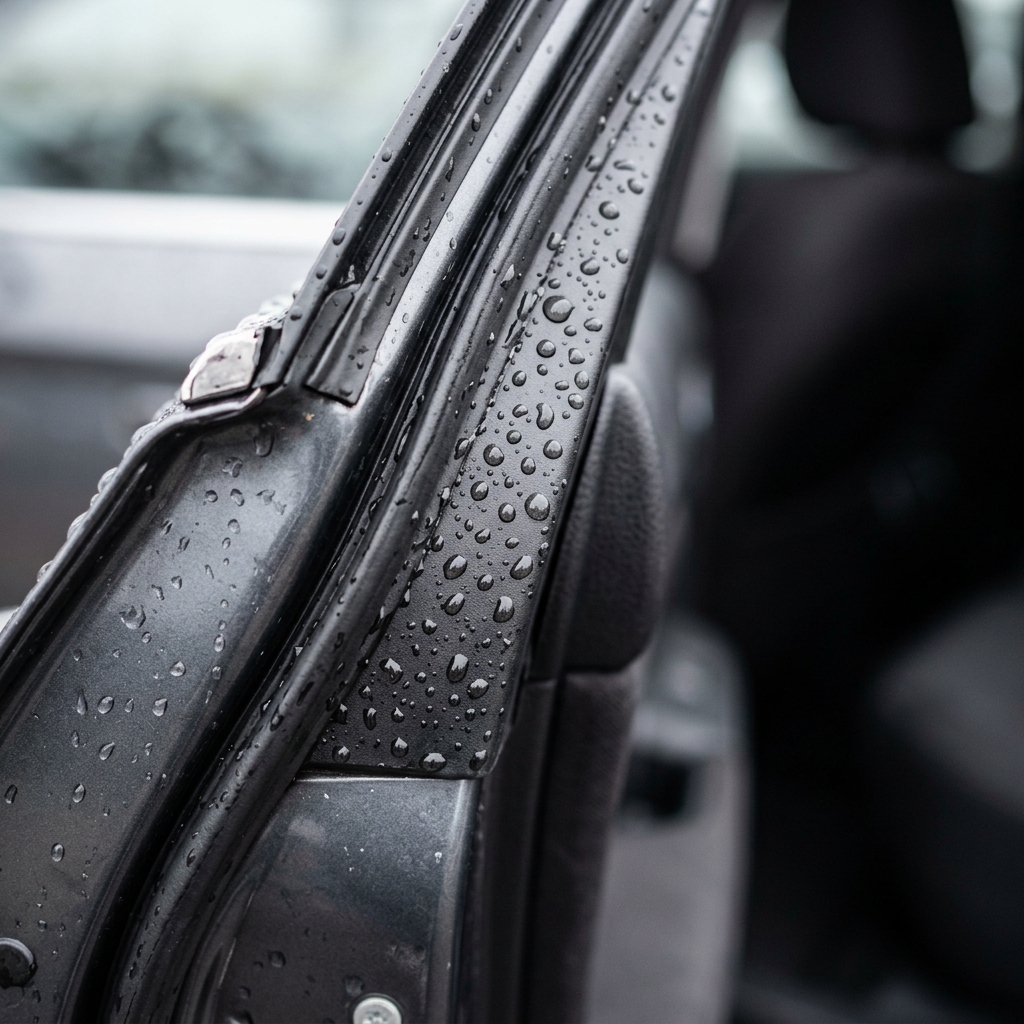
Most drivers focus on dents, paint damage, or broken headlights after an accident. However, one area that often goes unnoticed is the condition of your vehicle's weather seals. Weather seals are the rubber components installed around doors, windows, the trunk, and the hood. Their purpose is to keep water, dust, wind, and road noise outside while maintaining a comfortable interior environment. At Motolux Collision Center in Vancouver, WA, technicians inspect weather seals as part of every major collision repair because even minor structural movement can affect how these seals perform.
What Are Weather Seals?
Weather seals are specially designed rubber barriers that create a tight seal whenever a door, hood, or trunk is closed. They help protect against:
- Rainwater
- Dust
- Road debris
- Wind noise
- Moisture
- Temperature changes
Without properly functioning seals, even a well-repaired vehicle can develop comfort and durability issues over time.
How Accidents Affect Weather Seals
Weather seals themselves are surprisingly durable. The problem usually isn't the rubber—it's the surrounding structure. A collision may slightly alter:
- Door alignment
- Window frame positioning
- Trunk openings
- Hood fitment
- Quarter panels
Even very small changes can prevent the seal from compressing evenly.
Signs of Damaged or Misaligned Seals
Drivers may begin noticing:
- Wind noise at highway speeds
- Water entering during heavy rain
- Damp carpets
- Fogging windows
- Whistling sounds
- Musty odors inside the cabin
Because these symptoms often appear weeks after repairs, many people don't immediately connect them to the collision.
Why Water Intrusion Is Serious
Moisture inside a vehicle is more than an inconvenience. If water repeatedly enters the cabin, it may contribute to:
- Mold growth
- Interior odor
- Corrosion beneath carpeting
- Electrical connector damage
- Interior trim deterioration
Professional collision repairs include inspecting sealing surfaces to reduce these risks.
The Inspection Process
Technicians inspect:
- Door alignment
- Weather strip condition
- Compression points
- Window operation
- Trunk sealing
- Hood fitment
If necessary, seals may be replaced or surrounding panels adjusted to restore a proper fit.
Why Precision Matters
Modern vehicles are manufactured with extremely tight tolerances. Properly aligned doors and panels allow weather seals to function exactly as intended. Even a few millimeters of misalignment may affect long-term performance.
Driving Conditions in Vancouver
Frequent rainfall in the Pacific Northwest makes effective weather sealing especially important. A properly sealed vehicle provides greater comfort, protects the interior, and helps maintain long-term value despite challenging weather conditions.
Final Thoughts
Weather seals are easy to overlook, but they play an essential role in protecting your vehicle. Professional collision repair involves more than fixing visible damage—it also ensures the vehicle remains protected from the elements long after repairs are complete.
Get Professional Repair Today
Trust the experts to handle complicated auto diagnostics and protect your vehicle's value. Contact Motolux Collision Center for a free estimate.