What Happens to Your Vehicle’s Cooling System After a Front-End Collision?
Published on August 22, 2026
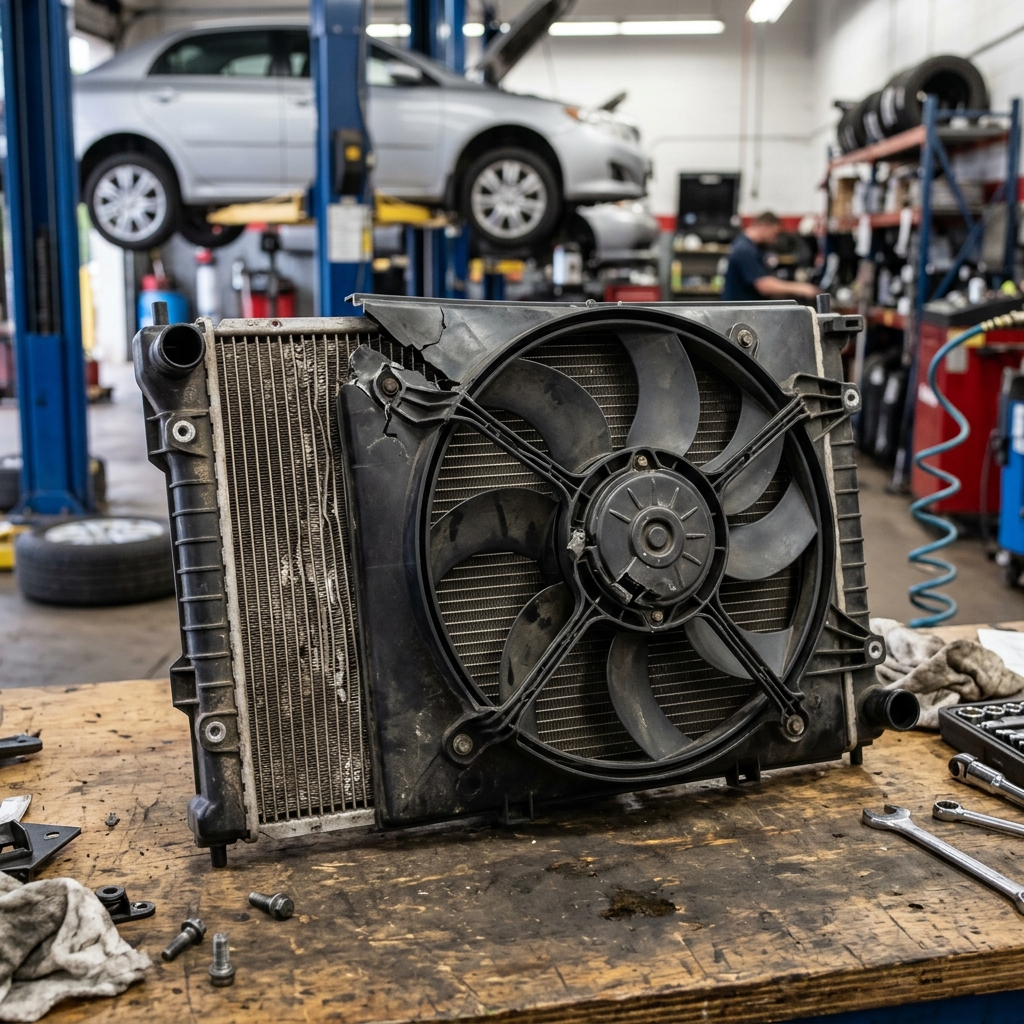
A front-end collision can leave obvious damage to a vehicle’s bumper, hood, grille, headlights, or fenders. What drivers cannot always see is what happened behind those components. The front of a modern vehicle contains several systems that depend on precise positioning and protection. Among the most important is the cooling system, which helps regulate engine temperature during everyday driving. A collision can damage or shift components of this system even when the vehicle still starts and drives normally. For drivers searching for professional collision repair in Vancouver, WA, understanding potential cooling-system damage is an important part of knowing why a complete post-accident inspection matters.
Why the Cooling System Is Located at the Front
Most vehicles position major cooling components toward the front because they need a steady flow of air while the vehicle is moving. Depending on the vehicle, the front-end area may contain the:
- Radiator
- Condenser
- Cooling fans
- Radiator support
- Coolant lines
- Mounting brackets
- Airflow ducts
These components work together to keep engine temperatures under control and, in many vehicles, support the operation of the air-conditioning system as well. Because they are positioned behind the front bumper and grille, they may be affected by an accident without being immediately visible.
How a Collision Can Damage Cooling Components
The severity of visible bumper damage does not always tell the complete story. During an impact, the bumper cover may absorb some of the force while transferring additional energy to the components behind it. Depending on the direction and severity of the collision, the impact can cause:
- Bent radiator supports
- Damaged cooling fans
- Cracked plastic components
- Shifted mounting points
- Damaged condenser components
- Coolant leaks
Some problems are obvious immediately, while others may only become apparent once the vehicle reaches normal operating temperature.
Why a Vehicle Can Still Drive After Cooling Damage
A common misconception is that a vehicle must stop running if its cooling system has been damaged. That isn't always the case. A small leak may initially have little effect on engine temperature. A damaged fan may not become obvious until the vehicle is sitting in traffic. A slightly shifted radiator may continue functioning while creating additional stress on surrounding components. This is why driving the vehicle briefly after an accident does not necessarily prove that everything is functioning correctly.
Warning Signs to Watch For
Drivers should pay attention to changes that appear after a front-end collision. Potential warning signs include:
- Engine temperature rising higher than normal
- Coolant leaking underneath the vehicle
- A coolant smell after driving
- Cooling fans behaving differently
- Air conditioning performance changing
- New noises from the front of the vehicle
- Dashboard temperature warnings
If any of these symptoms appear after an accident, the vehicle should be inspected rather than continuing to drive without understanding the cause.
The Connection Between the Radiator and Front-End Structure
The radiator and related components depend on properly positioned mounting points. If the surrounding structure moves during a collision, the radiator may no longer sit exactly where the manufacturer intended. Even when there is no visible crack, altered positioning can create clearance issues or place stress on connected components. This is one reason professional collision repair involves structural inspection in addition to replacing damaged exterior panels.
Why Vancouver Drivers Should Take Cooling Damage Seriously
Vancouver, WA drivers encounter a mixture of city traffic, highway travel, changing temperatures, and frequent periods of wet weather. A vehicle may behave differently depending on whether it is moving at highway speed or sitting in slow traffic. For example, airflow through the front grille helps cooling while driving. When the vehicle slows down, cooling fans become increasingly important. A problem that isn't noticeable on the highway could become apparent during stop-and-go traffic.
Professional Inspection Helps Find Hidden Problems
A comprehensive collision inspection may include checking the condition and positioning of cooling components, looking for leaks, verifying mounting points, and evaluating related front-end structures. The purpose isn't simply to find obvious damage. It is to determine whether the collision affected any system that could influence the vehicle's long-term operation.
Final Thoughts
A damaged bumper may be the first thing you notice after a front-end collision, but it shouldn't necessarily be the last thing you inspect. Cooling components hidden behind the bumper and grille can be affected by impact forces, and some problems may not appear until the vehicle is driven normally. A thorough inspection from an experienced auto body shop in Vancouver, WA can help identify these concerns before they develop into larger problems.
Get Your Cooling System Professionally Inspected
Protect your vehicle's engine and performance. Contact Motolux Collision Center for a comprehensive post-collision inspection.