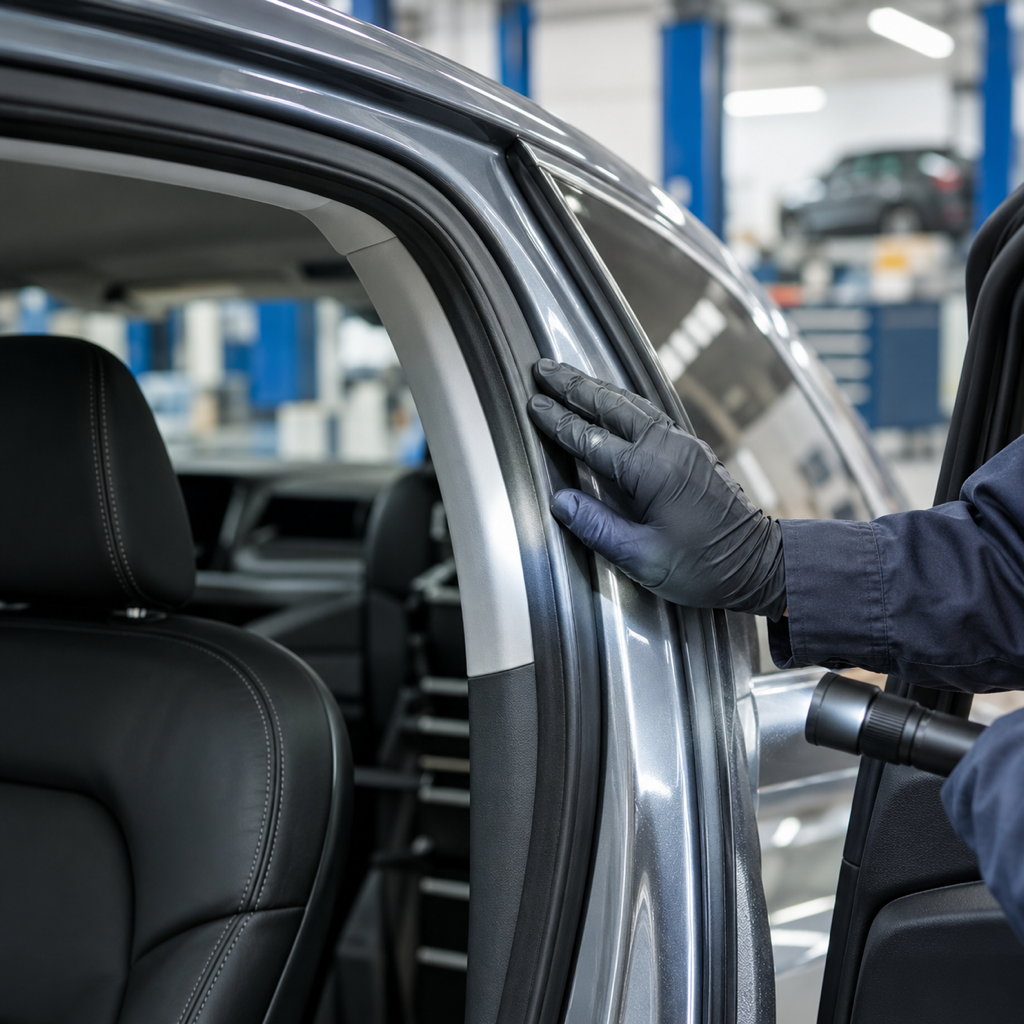
When a vehicle’s door is damaged in an accident, most people focus on the exterior panel, paint, and door operation. These are important parts of the repair, but there is another component that deserves attention: the door weatherstripping.
Weatherstripping consists of flexible sealing materials installed around doors and other openings. These seals help limit the entry of water, dust, and outside air while reducing unwanted wind noise.
If a collision affects a door, door opening, or surrounding body panel, the weatherstripping may need to be inspected as part of the repair assessment.
A vehicle may look properly repaired from the outside but still have an issue with the seal around a door. The result may be a new wind whistle, moisture inside the cabin, or a change in how the door closes.
For drivers seeking auto body repair in Vancouver, WA, understanding the purpose of weatherstripping can help identify problems that may otherwise go unnoticed.
What Is Door Weatherstripping?
Door weatherstripping is a flexible sealing material fitted around a vehicle’s door or the corresponding body opening.
Depending on the vehicle’s design, it may be made from rubber, foam, or other specialized materials.
The seals are shaped to fit the contours of the door and body opening. When the door closes, the seal compresses to create the intended barrier between the cabin and the outside environment.
Vehicles may use multiple seals, including seals attached to the body and others attached to the door itself.
Their location and construction vary by manufacturer and model.
Why Weatherstripping Matters
Weatherstripping serves several functions.
First, it helps limit water entering the passenger compartment through the door opening.
Second, it helps reduce wind noise at normal driving speeds.
Third, it helps limit dust and outside air entering through the sealed opening.
Weatherstripping also contributes to the way the door meets the surrounding body structure when closed.
Because the seal depends on the correct relationship between the door and its opening, damage to nearby components can affect its performance.
How a Collision Can Affect Door Seals
A collision involving a door or surrounding body panel can change the conditions under which the seal operates.
For example, an impact may deform part of the door, affect the door opening, disturb the seal’s mounting points, or damage the weatherstripping itself.
Even when the seal does not have a visible tear, a change in its position or compression may affect how it contacts the surrounding surfaces.
This is why the condition of the seal should be considered when a collision involves the door area.
Why Wind Noise May Appear After a Repair
One symptom of a weatherstripping or sealing issue is a new whistling or rushing sound while driving.
Air moving around the vehicle can create noise if a seal no longer contacts the intended surface correctly.
However, wind noise can also originate from other sources, including mirrors, exterior trim, glass seals, roof accessories, or panel fitment.
The sound alone does not establish that the door weatherstripping is responsible.
If the noise began after a collision or door repair, the repair facility can investigate the affected area and determine whether the seal, door fitment, or another component is involved.
What Causes Water to Enter Around a Door?
Water intrusion can occur for several reasons, and not every leak comes from damaged weatherstripping.
Potential causes include a displaced seal, damaged door components, blocked drainage passages, improperly installed trim, or problems with the way water is managed inside the door.
Vehicle doors are often designed to manage some water that passes beyond the outer sealing area. Drainage paths help direct that water away from places where it could cause problems.
The specific design varies by vehicle.
After a collision, technicians may need to determine whether the seal and related door components remain correctly installed and whether the relevant drainage system is functioning as intended.
Why a Door Can Look Correct but Still Leak
Exterior appearance does not always reveal whether a seal is working properly.
The door may appear aligned and the paint may look smooth, yet a small section of weatherstripping may not sit correctly against the body.
Likewise, a seal may look intact but have become displaced during the repair process.
If water enters the cabin or wind noise appears after the vehicle has been repaired, the concern deserves investigation.
It should not automatically be assumed that the entire door needs replacement or that the seal is definitely the cause.
A proper inspection can help distinguish between possible explanations.
Signs That Door Weatherstripping Needs Attention
After a collision, drivers should watch for changes such as:
- New wind noise near a door
- Water appearing near the door opening
- Damp carpeting close to the affected area
- A seal that appears loose or twisted
- Weatherstripping that has pulled away from its mounting position
- A door that feels different when closing
- Visible gaps between the seal and adjacent surfaces
These symptoms may have different causes, but reporting them helps direct the inspection.
If water is entering the cabin, it is useful to note when it occurs and which part of the vehicle becomes wet.
Why Correct Door Fitment Matters
Weatherstripping works in combination with the door and the surrounding body opening.
If the door is not positioned correctly, the seal may be compressed unevenly or may not contact the intended surfaces.
A collision repair assessment may therefore need to consider door fitment and the condition of the seal together.
This does not mean that every sealing problem is caused by a door alignment issue. Rather, the components interact, and the cause should be identified before deciding on a repair.
Can Weatherstripping Be Reused After a Collision?
The answer depends on the condition of the seal and the vehicle manufacturer’s repair requirements.
Some seals may remain serviceable after careful inspection and appropriate removal or refitting. Others may be damaged, stretched, torn, or unsuitable for reuse.
A seal that has lost its shape or cannot be installed correctly may need replacement.
The appropriate decision depends on the specific component and the repair procedure. There is no single rule that applies to every vehicle.
Why Water Leaks Should Be Investigated Early
Water entering the passenger compartment can affect carpets, insulation, and other interior materials.
If moisture remains trapped, it may also contribute to persistent dampness or unpleasant odors.
When a leak appears after a collision, identifying the source early can help prevent unnecessary disruption and additional damage.
Vehicle owners should avoid assuming that the weatherstripping is the cause without checking other possible entry points.
Why This Matters in Vancouver, WA
Rainy weather can make sealing problems easier to notice.
A vehicle that appears dry during a workshop inspection may develop a leak during prolonged rainfall or when water collects around the affected area.
For Vancouver drivers, it is particularly useful to report any water intrusion or new wind noise that began after a collision.
The timing of the symptom, the location of the moisture, and the area that was repaired can all help guide the inspection.
What a Collision Repair Inspection May Include
When door damage is repaired, the inspection process depends on the vehicle and the nature of the collision.
Where appropriate, technicians may evaluate the condition and installation of weatherstripping, the fit of the door, the surrounding opening, and related water-management components.
If the vehicle owner reports wind noise or a leak, the repair facility may need to perform additional checks to reproduce the problem and identify the source.
The goal is to address the cause rather than relying on a temporary adjustment that may not resolve the underlying issue.
How Motolux Collision Center Can Help
Motolux Collision Center serves drivers looking for auto body repair in Vancouver, WA.
When collision damage involves a door or surrounding body panels, the condition of associated components can be considered as part of the repair assessment.
If your vehicle develops wind noise or water intrusion after a collision repair, report the symptom and identify where you notice it. Additional inspection may be necessary to determine whether the issue involves weatherstripping, door fitment, drainage, glass sealing, or another component.
Final Thoughts
Door weatherstripping may be a relatively small component, but it helps protect the passenger compartment from outside elements.
After a collision involving a door or its surrounding body opening, a displaced or damaged seal may contribute to wind noise or water intrusion.
If your vehicle behaves differently after an accident, do not judge the repair solely by its exterior appearance. Report the change and have the affected area evaluated.
For drivers in Vancouver, WA, attention to sealing and fitment concerns can be an important part of a complete collision repair assessment.