Frame Damage vs. Cosmetic Damage — How to Tell the Difference
Published on November 25, 2025
Introduction
After a collision—whether major or minor—most drivers worry about visible damage: dents, scratches, bent panels, or broken lights. But the real concern often lies underneath the surface. What looks like a simple cosmetic issue may actually be structural frame damage, which can impact safety, handling, and long-term repair costs. Understanding the difference between cosmetic damage and frame damage is essential for Vancouver drivers, especially with the city’s busy roads and frequent low-speed collisions in parking lots and traffic.
What Is Cosmetic Damage?
Cosmetic damage only affects the outer appearance of your vehicle. This type of damage does not usually affect how safely the car drives or how well its internal components function.
- Scratches and paint scuffs
- Dents on doors, fenders, or bumpers
- Bent trim pieces
- Cracked or scraped bumper covers
- Minor rust spots
- Damaged headlights or taillights (housing only)
Cosmetic damage is more common in parking lots, drive-through accidents, and low-speed impacts—the types of collisions drivers often ignore.
Why Cosmetic Damage Still Matters
Even though cosmetic damage doesn’t affect safety, ignoring it can lead to:
- Paint peeling
- Rust formation (especially in rainy Vancouver weather)
- Lower resale value
- Higher repair costs later
What Is Frame Damage?
Frame damage refers to structural damage to the core support areas of the vehicle. Modern vehicles use a unibody frame, meaning the entire body structure contributes to vehicle strength. Even small shifts or bends affect how the car handles impacts and protects passengers.
- Front or rear frame rails
- Unibody structure
- Crumple zones
- Mounting points for suspension
- Door alignment
- Roof supports
- Shock towers
This type of damage is serious and requires immediate professional attention.
Signs of Frame Damage
Uneven Gaps Between Panels
If your doors, hood, or trunk no longer line up evenly, this may indicate a twisted or shifted frame.
Steering Pulling or Misalignment
If your car pulls left or right even after an alignment, deep structural damage may be the culprit.
Uneven Tire Wear
A bent frame affects suspension mounting points, causing abnormal tire wear patterns.
Difficulty Closing Doors or Windows
A warped structure prevents panels from sitting correctly.
Noises From the Underbody
Creaking, popping, or metallic sounds may indicate stress on structural components.
Visible Bending Under the Vehicle
If the underside of the vehicle looks bent, crushed, or twisted, the frame has likely taken damage.
How Minor Accidents Can Still Cause Frame Damage
Many drivers believe frame damage only happens in high-speed crashes. But modern vehicles are designed with lightweight, high-strength steel, which can bend or shift even in slow-impact accidents.
- Rear-end collisions in traffic
- Side impacts in parking lots
- Hitting a curb or median
- Backing into a pole
- Collision with large potholes or road debris
Because the unibody frame is extremely sensitive, it doesn't take much force to misalign mounting points or crumple small sections.
Cosmetic vs. Frame Damage: A Side-by-Side Comparison
| Cosmetic Damage | Frame Damage |
|---|---|
| Only affects appearance | Affects structural integrity |
| Usually inexpensive | Can be costly |
| Does not affect safety | Directly impacts safety |
| Can be delayed | Requires immediate repair |
| Easy to spot visually | Often hidden |
| Mostly on surface panels | Found underneath or deep inside |
How Body Shops Diagnose Hidden Frame Damage
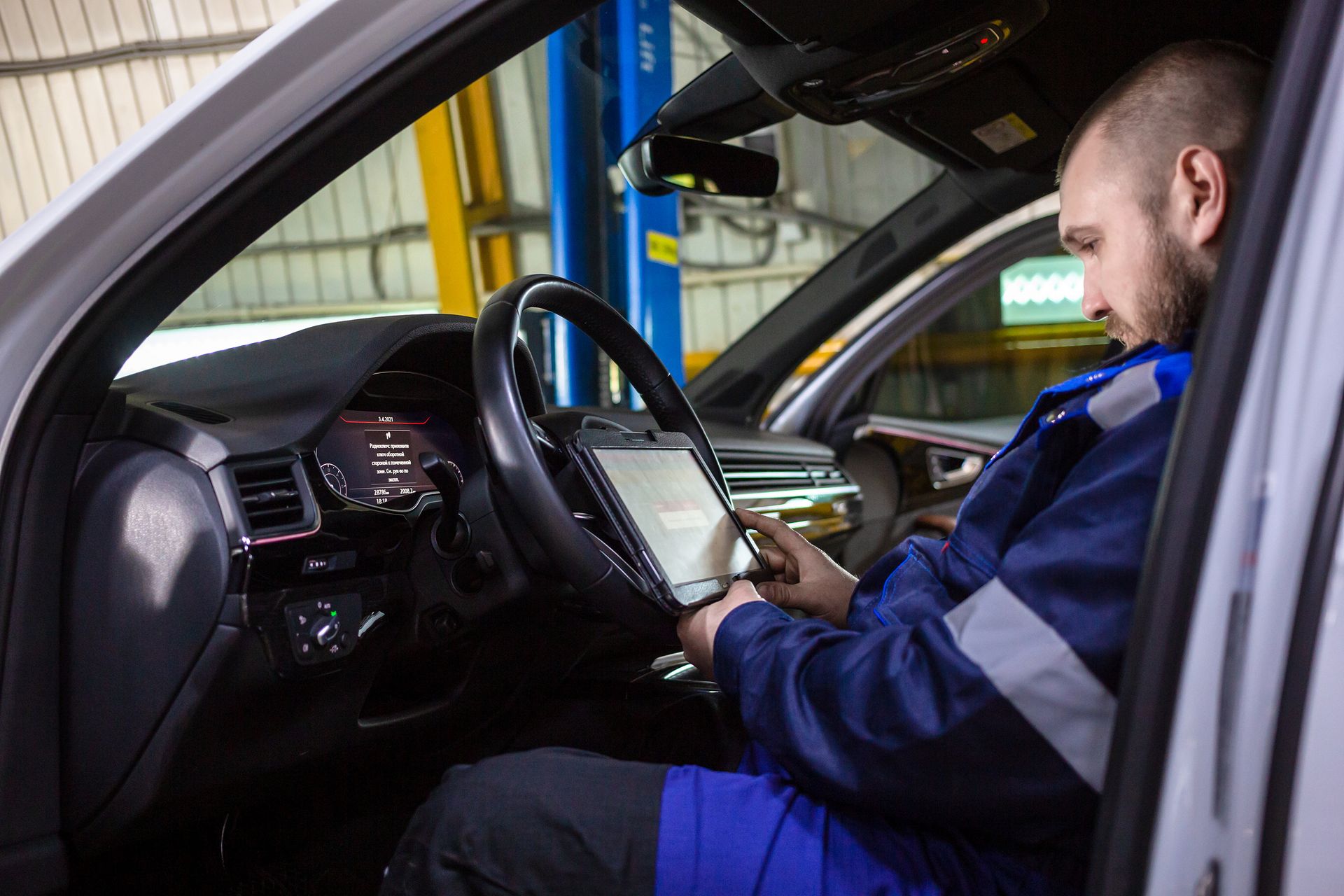
Shops like Motolux use specialized tools to detect structural issues that drivers cannot see.
- Laser measuring systems to detect even tiny misalignments
- Frame straightening machines
- Digital body scanners
- Suspension and alignment machines
- Sensor and electrical diagnostics
This ensures the vehicle meets factory specifications after repair.
Why Frame Damage Should Never Be Ignored
Driving with structural damage can lead to:
- Increased risk in another accident
- Poor handling and loss of control
- Faster suspension wear
- Faulty airbag deployment
- Tire and brake problems
- Reduced resale value
In Vancouver’s wet climate and busy road conditions, these risks are even higher.
When to Visit an Auto Body Shop
You should get a professional inspection if:
- Your car shows any signs listed above
- You had a collision above 5 mph
- Insurance recommended an inspection
- Your bumper is misaligned
- Your vehicle “drives differently” after impact
Even if the damage looks small, hidden frame issues are common—and more expensive to fix if delayed.
Final Thoughts
Cosmetic damage is visible and generally harmless. Frame damage is hidden and potentially dangerous. Knowing the difference protects your wallet, your safety, and your vehicle’s long-term reliability. If you’ve been in any collision—big or small—the safest option is a professional inspection. It’s the only way to ensure your vehicle is structurally sound and road-ready.
Unsure About Damage?
Get a professional inspection to distinguish between cosmetic issues and serious frame damage.