Why Your Headlights Should Be Checked After a Collision Even If They Still Work
Published on August 27, 2026
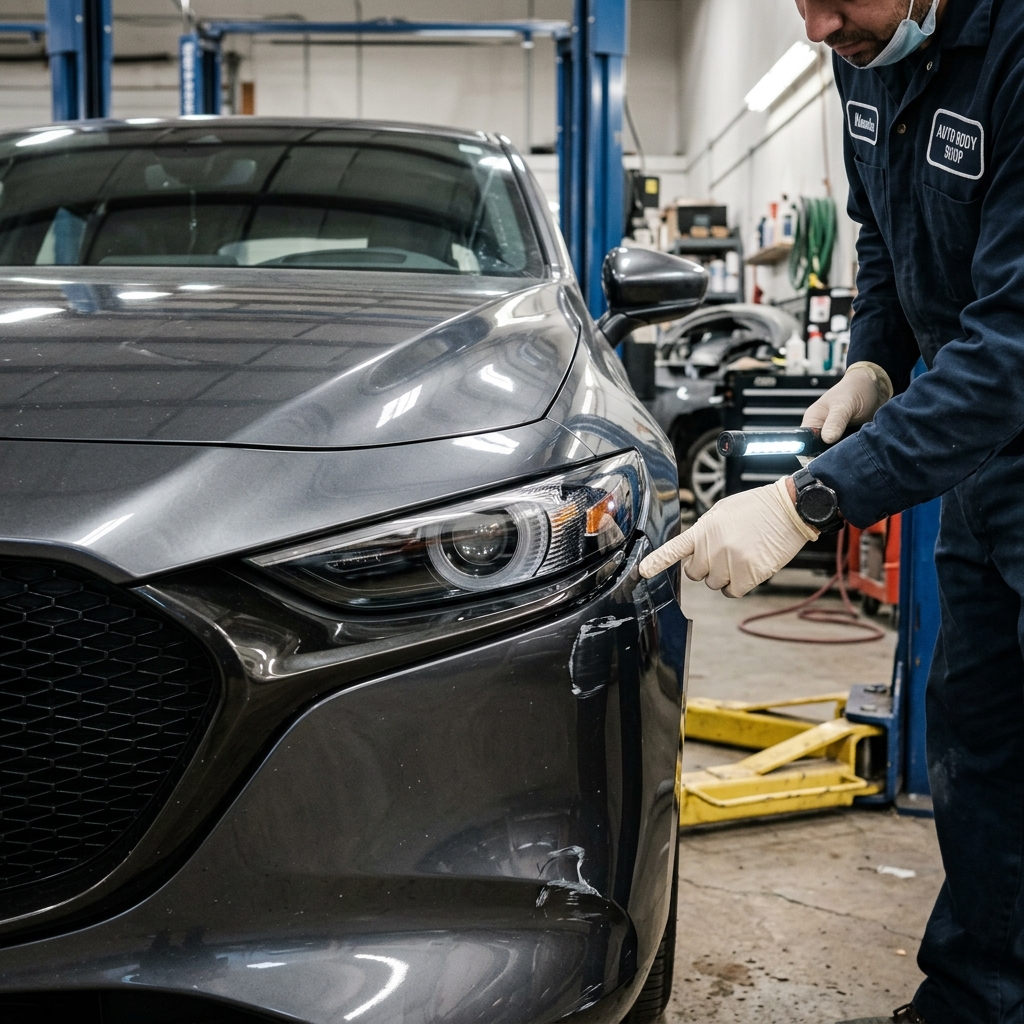
After a vehicle collision, headlights are usually one of the easiest areas to inspect. A cracked lens or broken housing is immediately visible, so drivers generally know when a headlight needs to be replaced. However, not every headlight problem is obvious. A collision can affect the mounting points, internal components, wiring, beam position, or surrounding body structure without completely disabling the light. A headlight may still turn on while no longer sitting or aiming correctly. For drivers looking for professional collision repair in Vancouver, WA, understanding the importance of headlight inspection can help ensure that a seemingly minor problem doesn't become a safety concern later.
A Headlight Does More Than Produce Light
Modern headlights are complex assemblies rather than simple bulbs. Depending on the vehicle, a headlight assembly can contain:
- LED or HID lighting components
- Wiring and electrical connectors
- Internal control modules
- Mounting brackets
- Beam-adjustment mechanisms
- Daytime running light elements
- Turn signal components
Some newer vehicles also use adaptive lighting technology that changes the direction or intensity of the beam based on driving conditions. Because of this complexity, an impact can affect a headlight without immediately causing it to stop working.
How a Collision Can Change Headlight Position
Headlights are secured to the vehicle using specific mounting points. During a collision, the surrounding bumper, fender, grille, or support structure may move. Even if the headlight itself appears undamaged, its mounting position can change. This may result in:
- Uneven gaps around the headlight
- A light sitting higher or lower than the opposite side
- Changes in beam direction
- Vibration while driving
- Difficulty securing the assembly correctly
These issues can be subtle when viewed during the day.
Why Beam Alignment Matters
A headlight that turns on isn't necessarily a headlight that is correctly aimed. The beam needs to illuminate the road in the intended direction without creating unnecessary glare for other drivers. If an impact changes the headlight's position, the beam may point:
- Too high
- Too low
- Too far toward one side
This can reduce visibility at night, particularly on dark roads or during poor weather.
Cracked Lenses Can Create Additional Problems
A small crack may initially seem like a cosmetic issue. However, the headlight lens helps protect the internal components from the outside environment. If the housing is compromised, moisture can enter the assembly. Over time, this may contribute to:
- Condensation
- Corrosion
- Electrical problems
- Reduced lighting performance
A professional inspection can determine whether the assembly remains properly sealed.
Wiring and Electrical Connections Also Matter
A collision can put stress on electrical connectors and wiring near the headlight. Even when the light operates normally immediately after the accident, damaged wiring may eventually develop intermittent problems because of vibration or moisture. This is especially important when the damaged area is near other electronic components.
Modern Headlights May Require Additional Attention
Many newer vehicles use advanced lighting systems that may involve sensors, cameras, or electronic controls. After body repairs, technicians may need to verify that these systems continue operating correctly. The exact inspection and calibration requirements depend on the vehicle's design and manufacturer procedures.
Why Headlight Inspection Should Be Part of Collision Repair
Replacing a visibly broken headlight is only one part of the process. A thorough collision inspection should also consider:
- Housing condition
- Mounting points
- Beam alignment
- Wiring
- Connectors
- Surrounding body structure
This helps ensure that the lighting system is restored along with the exterior of the vehicle.
Why This Matters for Vancouver Drivers
Driving after dark, during rain, or in reduced visibility requires dependable lighting. Vancouver, WA drivers frequently encounter wet roads and changing weather conditions. Properly positioned and functioning headlights can make a significant difference in how clearly the road and surrounding vehicles can be seen.
Final Thoughts
A headlight doesn't have to be completely broken to be affected by a collision. A light that still works may have shifted, developed a damaged seal, or lost its correct beam position. Having the lighting system professionally inspected after an accident helps ensure that your vehicle is not only repaired visually but also ready for safe nighttime driving.
Get Your Headlights Professionally Inspected
Ensure your vehicle is safe for nighttime driving. Contact Motolux Collision Center for a comprehensive post-collision inspection.