After a car accident, most vehicle owners focus on the damage they can see. A dented door, damaged bumper, cracked panel, or scratched paint is easy to identify. However, some of the most important components in a vehicle are hidden from view.
Seat belts are one example.
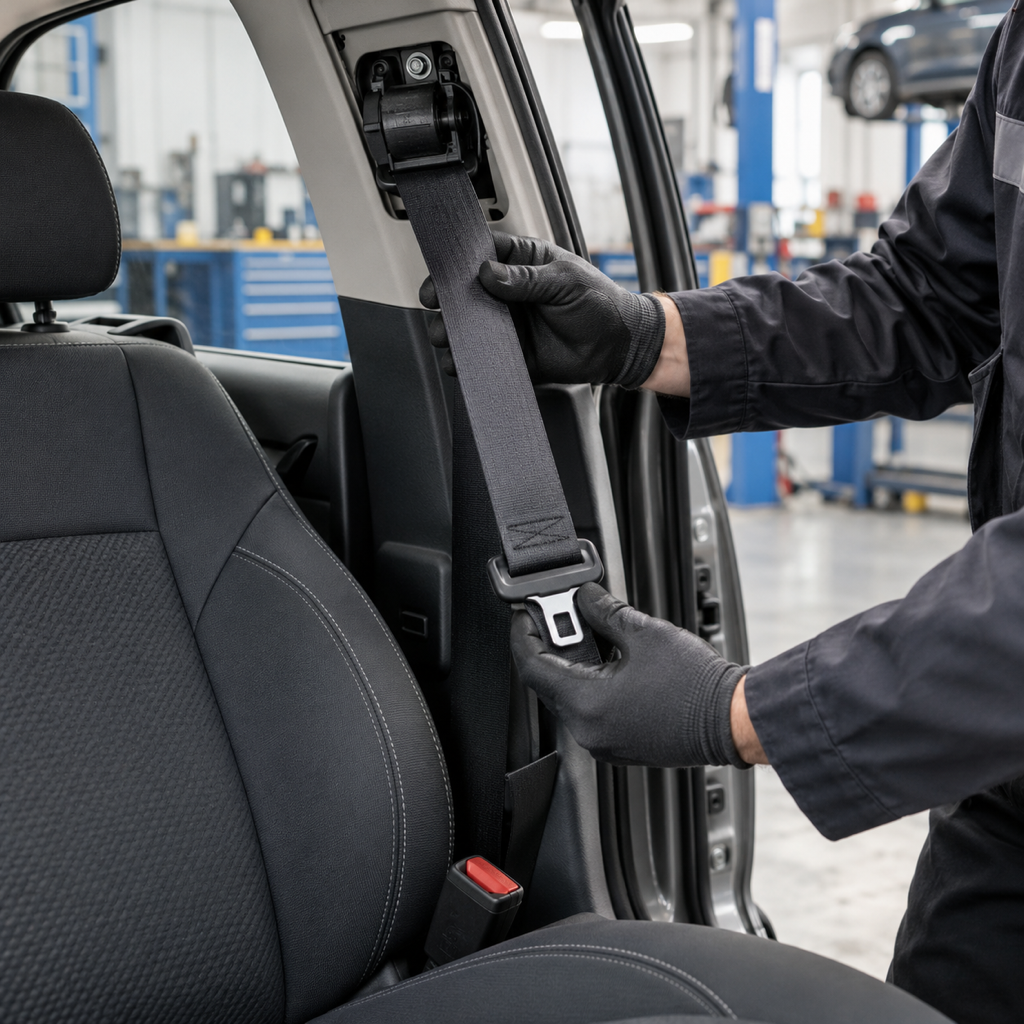
Seat belts are a critical part of a vehicle’s occupant restraint system. They are designed to help restrain occupants during sudden deceleration and certain types of collisions. Although a seat belt may appear normal after an accident, its internal components may require inspection before the vehicle is returned to regular use.
For drivers seeking collision repair in Vancouver, WA, understanding why seat belts deserve attention after an accident can help ensure that the inspection considers occupant safety systems as well as exterior damage.
Why Seat Belts Matter During a Collision
A seat belt helps keep an occupant positioned within the vehicle during a crash. It works as part of a broader restraint system that may include airbags, pretensioners, load limiters, sensors, and electronic control systems.
During a collision, a seat belt may experience forces that are not present during ordinary driving.
Depending on the severity of the impact and the vehicle’s design, certain restraint components may activate or sustain damage. Some components may require replacement after a collision even when they show no obvious external signs of damage.
This is why a visual check alone cannot establish that a seat belt system is ready for continued use.
What Is a Seat Belt Pretensioner?
Many modern vehicles use seat belt pretensioners.
A pretensioner is designed to remove some slack from the seat belt during certain collision events. The objective is to help position the occupant more securely during the initial stages of a crash.
Depending on the vehicle, pretensioners may use pyrotechnic or other mechanisms to activate.
If a pretensioner deploys during a collision, the component may require replacement according to the vehicle manufacturer’s procedures. A belt that appears intact does not necessarily mean the pretensioner remains serviceable.
The correct inspection and replacement requirements depend on the vehicle and the collision event.
Why a Seat Belt Can Look Normal but Still Need Attention
Seat belts are made from durable webbing, but their appearance does not tell the complete story of their condition.
After a collision, technicians may need to evaluate the belt webbing, buckle, retractor, mounting points, and associated restraint components.
Potential concerns include:
- Frayed, cut, or torn webbing
- Damaged belt buckles
- A belt that does not retract correctly
- A buckle that does not latch properly
- A belt that locks or releases abnormally
- Evidence of pretensioner activation
- Damage to mounting points
- Restraint-system warning lights
These signs do not all indicate the same problem. Some require physical inspection, while others may require electronic diagnosis and manufacturer-specific procedures.
What Does a Seat Belt Retractor Do?
The retractor is the mechanism that allows the belt to extend and retract.
It helps keep the belt stored when it is not in use and controls how the webbing moves during normal operation.
A retractor may also contain locking mechanisms designed to respond to particular vehicle movements or sudden belt movement.
After a collision, the retractor and its associated components may need to be inspected according to the vehicle manufacturer’s requirements.
A belt that retracts slowly, remains loose, or behaves differently from before the accident should not simply be assumed to be safe.
What Happens When a Seat Belt Pretensioner Activates?
When a pretensioner activates, the system may remove slack from the belt to help restrain the occupant.
Depending on the design, activation may leave visible or functional evidence, but the absence of obvious damage is not enough to confirm that the system has not been affected.
Technicians may need to review diagnostic information, inspect the relevant restraint components, and follow the manufacturer’s instructions for determining which parts require replacement.
Seat belt systems should not be disassembled or repaired casually because some components contain mechanisms that can activate under specific conditions.
Why the Seat Belt Buckle Should Also Be Checked
The buckle is the component that secures the seat belt when the occupant fastens it.
After an accident, it is worth checking whether the buckle latches and releases normally. However, a simple buckle test is not a substitute for a full inspection when the vehicle has been involved in a collision.
Depending on the vehicle, buckle assemblies may include electrical switches or sensors used by the restraint system.
Damage to a buckle or its wiring can therefore affect more than the physical fastening function.
If the buckle feels different, fails to latch consistently, or has visible damage, the issue should be reported to a qualified repair professional.
What About Seat Belt Warning Lights?
A restraint-system warning light can indicate a problem that requires diagnosis.
Depending on the vehicle, the warning may relate to a seat belt pretensioner, buckle switch, occupant detection system, airbag component, wiring, or another part of the restraint system.
The light should not be ignored simply because the seat belt appears to function normally.
Likewise, a warning light that is not illuminated does not automatically prove that every restraint component is undamaged.
A qualified technician can determine the appropriate diagnostic procedure for the vehicle.
Should Seat Belts Be Replaced After Every Accident?
Not every collision automatically requires every seat belt assembly to be replaced.
Requirements vary by manufacturer, vehicle model, collision severity, restraint-system activation, and the condition of the affected components.
Some vehicle manufacturers specify replacement of particular restraint components after certain collision events. Others provide specific inspection criteria.
The appropriate decision should be based on the applicable manufacturer repair information rather than a universal rule.
This is particularly important when pretensioners or other restraint-system components may have activated.
Why Seat Belt Mounting Points Matter
Seat belts rely on properly secured mounting points to perform their intended function.
Depending on the collision, technicians may need to inspect mounting areas and surrounding vehicle structure for damage or deformation.
A belt assembly should not be evaluated in isolation if the area supporting it may also have been affected.
This is one reason a collision inspection may need to consider interior restraint components alongside body panels and other damaged areas.
What Drivers Should Do After an Accident
If your vehicle has been involved in a collision, tell the repair facility whether anyone was wearing a seat belt, whether airbags or restraint systems activated, and whether any warning lights appeared.
Do not attempt to dismantle or repair restraint components yourself.
If the seat belt has visible damage, does not latch or retract normally, or is associated with a restraint-system warning, have the vehicle evaluated before relying on that component again.
Seat Belt Inspection at Motolux Collision Center
At Motolux Collision Center in Vancouver, WA, collision repair involves evaluating damage based on the vehicle’s condition and the nature of the accident.
When a collision may have affected occupant restraint components, the appropriate inspection and repair requirements should be determined using the vehicle’s manufacturer information and qualified diagnostic procedures.
Seat belt and restraint-system work must follow the applicable safety requirements. Depending on the vehicle and the problem identified, specialized diagnosis or additional qualified service may be necessary.
The Importance of Looking Beyond Exterior Damage
A vehicle may look relatively normal after a minor collision, but that does not establish that every safety-related component remains serviceable.
Seat belts are designed to help protect occupants during a crash, which makes their condition important after an accident.
If your vehicle has been involved in a collision, make sure any suspected seat belt damage, restraint-system activation, or warning lights are reported during the repair assessment.
A careful, manufacturer-informed inspection helps determine which components require attention before the vehicle returns to normal use.