Why Your Vehicle's Suspension Should Be Inspected After a Collision
Published on August 17, 2026
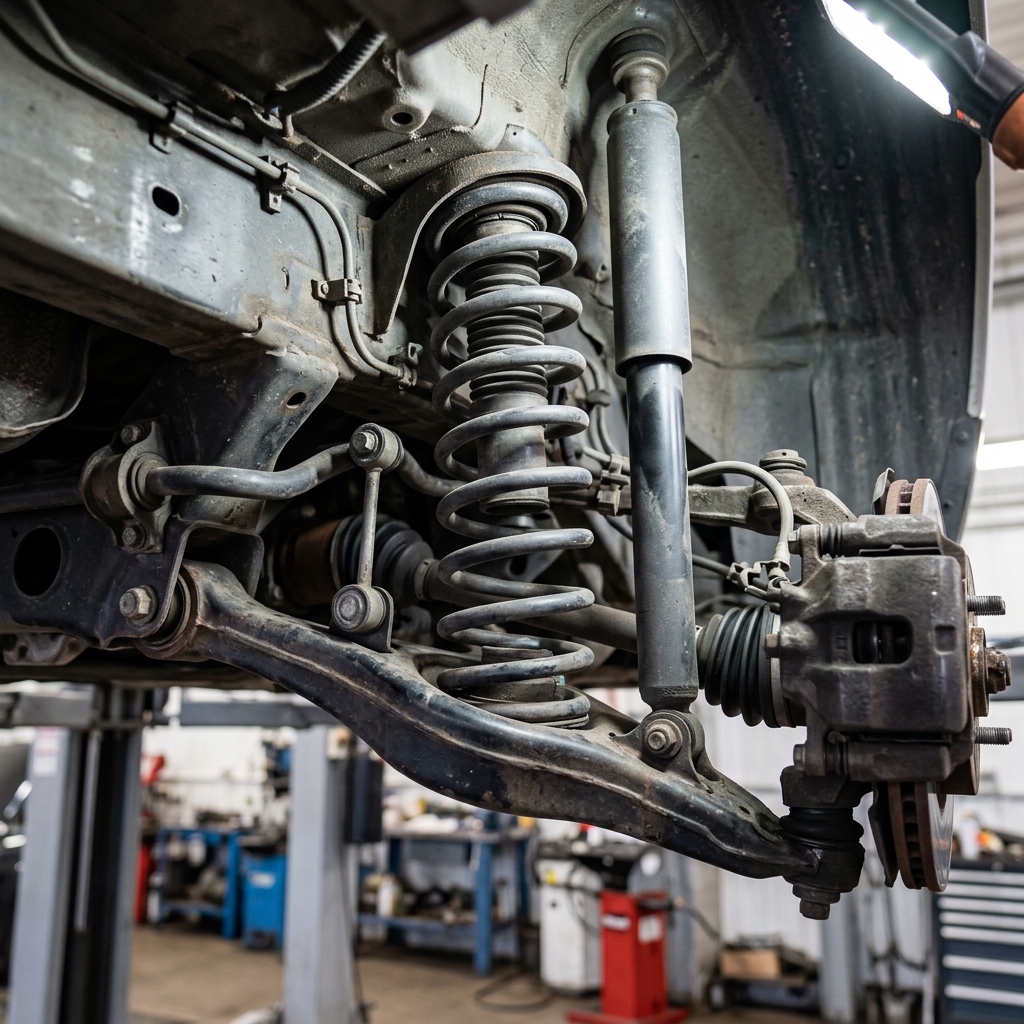
When a vehicle is involved in an accident, suspension damage isn't always the first thing drivers think about. Most people focus on dents, broken lights, scratched paint, or damaged bumpers. But the suspension is one of the systems most directly connected to how a vehicle behaves on the road. A collision can alter suspension components or their positioning even when there is little visible damage. The vehicle may continue driving normally at first, but subtle changes can eventually affect handling, tire wear, steering, and ride quality. For drivers looking for collision repair in Vancouver, WA, understanding the connection between accidents and suspension performance can help them recognize problems earlier.
What Does the Suspension System Do?
Your vehicle's suspension system has several important jobs. It helps keep the tires in contact with the road while also controlling how the vehicle responds to bumps, turns, braking, and acceleration. The suspension works together with the steering and wheels to provide stability and predictable handling. Depending on the vehicle, the system may include components such as control arms, struts, shocks, springs, ball joints, bushings, and related mounting points.
How a Collision Can Affect Suspension Components
The wheels and suspension are often close to the point of impact during many types of accidents. A collision involving a:
- Fender
- Bumper corner
- Wheel area
- Side panel
- Front or rear corner
can transfer force into suspension components. Sometimes the component is visibly bent or damaged. In other situations, it may only shift slightly from its original position. That smaller change can still affect alignment and vehicle behavior.
Why Suspension Problems Aren't Always Immediately Noticeable
After an accident, adrenaline and concern about visible damage can make subtle handling changes difficult to notice. A driver may simply think: "The car still drives, so everything must be okay." However, suspension-related symptoms may become more obvious over time. You might eventually notice that the vehicle:
- Feels different over bumps
- Sits slightly unevenly
- Makes a new noise
- Feels less stable through corners
- Requires more steering correction
- Develops unusual tire wear
These changes deserve attention after a collision.
The Connection Between Suspension and Alignment
Suspension and wheel alignment work closely together. If a suspension component moves, the wheel may no longer sit at the correct angle. That can lead to:
- Uneven tire contact
- Steering changes
- Accelerated tire wear
- Vehicle pulling
- Reduced handling consistency
This is why an alignment check is often an important part of a complete post-collision inspection.
Why Strange Noises Matter
A new noise after an accident can provide an important clue. Drivers may hear:
- A knocking sound over bumps
- A clicking sound while turning
- A clunk from one side of the vehicle
- Increased road noise
These sounds can have many possible causes, so they shouldn't automatically be attributed to suspension damage. However, when they begin after a collision, professional inspection can help identify their source.
Why Vancouver Driving Conditions Matter
Vancouver, WA drivers regularly encounter wet roads, uneven pavement, highway travel, and stop-and-go traffic. These conditions require consistent suspension and tire performance. A vehicle with a suspension problem may feel increasingly unstable as speed increases or when road conditions become more challenging. Addressing the issue early can help maintain predictable handling.
What a Professional Inspection Looks For
A collision inspection may evaluate the suspension for:
- Visible component damage
- Mounting-point movement
- Alignment changes
- Tire clearance
- Abnormal wear
- Unusual movement or noise
If repairs are required, the affected components can be addressed before the vehicle is returned to normal use.
Don't Judge Suspension Damage by Appearance Alone
A suspension component doesn't always need to be visibly broken to have been affected by a collision. Small changes in positioning can influence the geometry of the vehicle. This is one reason professional measurements and road testing are valuable after an accident.
Final Thoughts
The suspension system plays a major role in how your vehicle feels and responds on the road. If your vehicle handles differently, develops unusual noises, or shows uneven tire wear after a collision, don't ignore the change. A thorough inspection can help identify whether the accident affected the suspension or alignment and ensure the vehicle is properly restored.
Get Your Suspension Professionally Inspected
Protect your vehicle's handling, tire wear, and safety. Contact Motolux Collision Center for a comprehensive post-collision suspension and alignment check.