Why Your Tire Pressure Monitoring System Should Be Checked After a Collision
Published on September 23, 2026
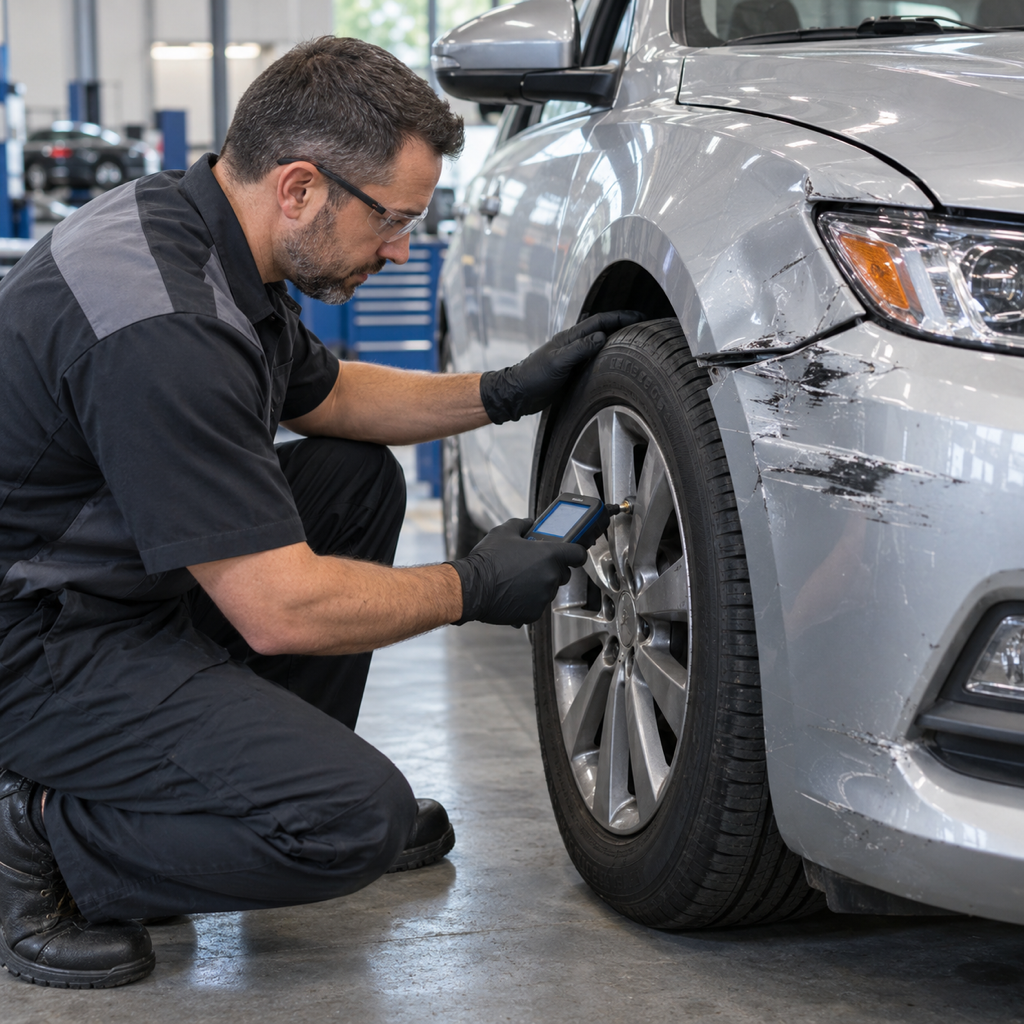
When a vehicle is involved in an accident, drivers usually focus on visible body damage. A damaged bumper, dented fender, broken light, or scratched door is easy to identify. However, some of the systems affected by a collision are hidden inside the wheels and tires. One system that deserves attention after an accident is the Tire Pressure Monitoring System (TPMS). TPMS is designed to monitor tire pressure and alert the driver when pressure falls below an appropriate level. Depending on the vehicle, the system may use sensors installed inside the wheels or other methods to monitor pressure. A collision near a wheel, fender, or bumper can potentially affect these components even when the tire appears to be fine. For drivers looking for collision repair in Vancouver, WA, understanding why TPMS should be inspected can help prevent a small post-accident issue from becoming a larger concern.
What Is TPMS?
The Tire Pressure Monitoring System helps drivers keep track of tire pressure. Maintaining appropriate tire pressure is important because tires are the vehicle's primary contact with the road. Pressure affects handling, braking, tire wear, and overall driving characteristics. When a TPMS warning appears, it shouldn't simply be ignored. However, after a collision, the warning may sometimes be connected to damage or changes around the affected wheel.
How Can a Collision Affect TPMS?
The wheels are exposed to significant forces during many types of accidents. An impact involving a:
- Wheel
- Tire
- Fender
- Bumper corner
- Curb
- Side of the vehicle
can potentially affect the tire, wheel, valve stem, or TPMS sensor. The sensor may remain functional but become damaged, displaced, or affected by a change in the wheel or tire.
The Tire May Look Normal
One of the challenges with post-collision tire and TPMS problems is that the damage isn't always obvious. A tire can appear inflated while slowly losing pressure. Similarly, a TPMS sensor may not immediately produce a warning. This is why a proper inspection should include the wheel and tire assembly when the collision occurred near that area.
Why Correct Tire Pressure Matters
Incorrect tire pressure can affect how the vehicle behaves on the road. Underinflation can contribute to:
- Increased tire wear
- Higher rolling resistance
- Changes in handling
- Increased heat buildup within the tire
Overinflation can also change the way a tire contacts the road. Maintaining the manufacturer's recommended tire pressure is therefore an important part of routine vehicle care.
What Happens When a TPMS Sensor Is Damaged?
A damaged sensor may produce a warning or may stop communicating correctly with the vehicle. In some situations, the sensor itself may need replacement. In others, the issue may involve the valve stem, wheel, wiring, or the vehicle's electronic system. Proper diagnosis is important because replacing a component without identifying the actual cause may not solve the problem.
Why Wheel Inspection Matters After an Accident
A collision repair inspection shouldn't stop at the body panel. When an impact occurs near a wheel, technicians may also evaluate:
- Tire condition
- Wheel condition
- Valve stem
- TPMS components
- Wheel mounting
- Surrounding body clearance
This broader inspection helps determine whether the accident affected the wheel and tire assembly.
TPMS and Seasonal Weather Changes
Tire pressure naturally changes with temperature. Vancouver, WA drivers experience seasonal temperature changes that can influence tire pressure readings. This means a TPMS warning doesn't automatically indicate collision damage. However, if the warning appears after an accident—particularly an accident involving the wheel or fender—having the system inspected can help distinguish a normal pressure change from an impact-related issue.
Don't Ignore a Warning Light
If the TPMS warning remains illuminated after a collision, check the tire pressures according to the vehicle manufacturer's recommendations. If pressure is correct but the warning remains, professional diagnosis may be appropriate. The same applies if a tire repeatedly loses pressure after an accident.
Why Professional Collision Repair Looks Beyond Bodywork
A quality collision repair process considers how the accident affected the entire vehicle. That can include body panels, wheels, tires, mechanical components, electronics, and other systems depending on the location and severity of the impact. This comprehensive approach helps ensure that problems aren't overlooked simply because they aren't visible.
Final Thoughts
The TPMS may be a small part of your vehicle, but it plays an important role in helping you monitor tire pressure. If your vehicle has been involved in a collision near a wheel or fender, having the tire, wheel, and TPMS components inspected can provide additional confidence that everything is functioning correctly. For Vancouver, WA drivers, professional collision repair should address the effects of the accident—not simply the damage that can be seen from outside.
Have Your Wheel, Tire, and TPMS Professionally Inspected
Contact Motolux Collision Center for a comprehensive inspection after a wheel- or fender-area collision.