What Should You Do Immediately After a Car Accident Before Taking Your Vehicle for Repairs?
Published on September 8, 2026
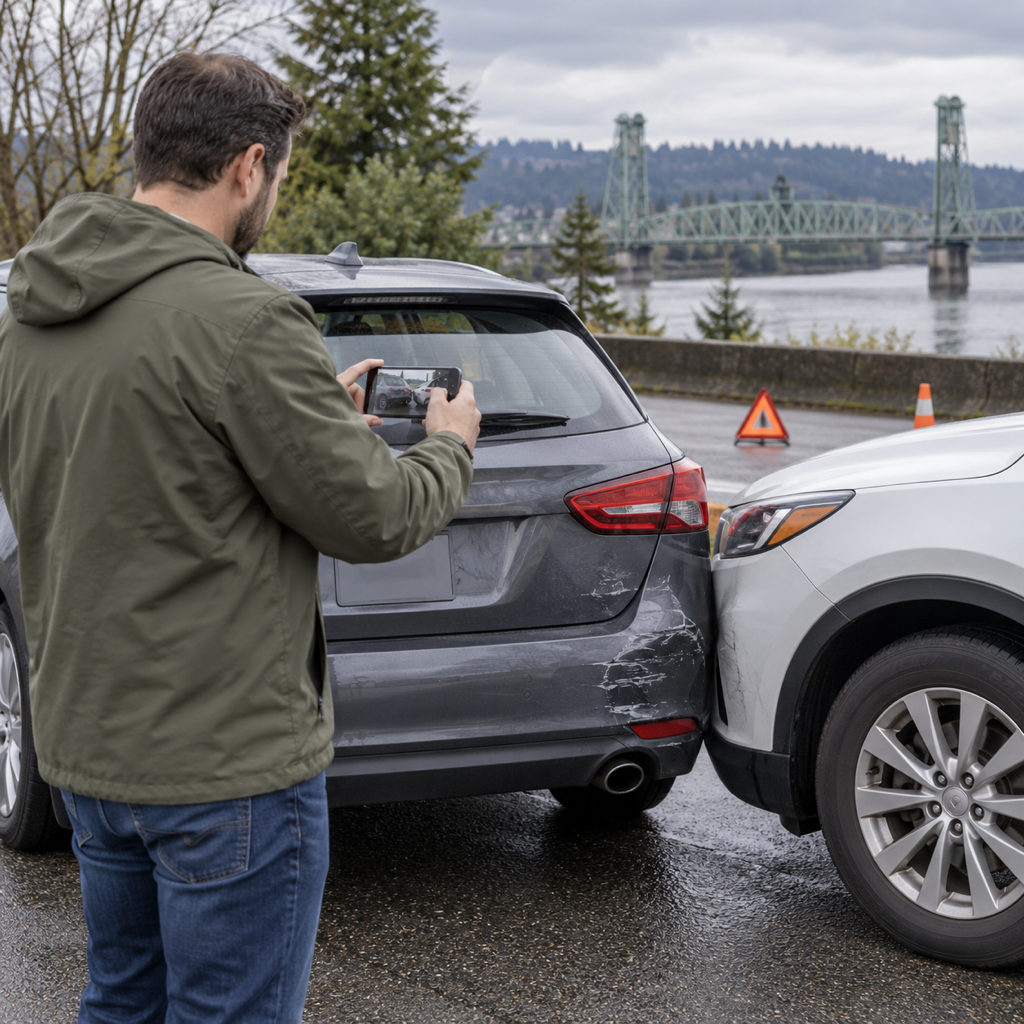
A car accident can be stressful, even when nobody is seriously injured and the vehicle still appears drivable. In the moments immediately following a collision, most people are focused on safety, exchanging information, and figuring out what to do next. The decisions made during this period can make the repair and insurance process much easier later. For Vancouver, WA drivers, knowing what steps to take after an accident can help preserve important information, prevent additional vehicle damage, and make the transition into professional collision repair much smoother.
Put Safety First
The first priority after any collision should always be safety. If the location is unsafe, move to a safe area when it is possible to do so without creating additional risk. Check whether anyone involved needs emergency assistance. Don't focus on inspecting the vehicle before making sure everyone is safe.
Document the Accident Scene
Once everyone is safe, document as much as possible. Photographs can be especially useful because they capture the condition of the vehicles and surrounding area immediately after the collision. Consider photographing:
- Damage to your vehicle
- Damage to other vehicles
- Vehicle positions
- Road conditions
- Traffic signs
- Nearby intersections
- License plates
- Visible debris
Take photographs from several distances rather than only taking close-up pictures of the damaged area.
Exchange Information
Obtain the necessary information from the other driver and any relevant parties. This may include contact and insurance information. If witnesses are present, their information can also be useful. The more complete your records are, the easier it can be to provide accurate information later.
Don't Assume the Vehicle Has No Hidden Damage
One of the most important things to remember after an accident is that visible damage doesn't tell the entire story. A vehicle can appear drivable while still having damage that isn't immediately noticeable. You may not see problems involving:
- Structural components
- Mechanical systems
- Wiring
- Mounting points
- Safety-related equipment
This is why having the vehicle inspected by a professional auto body shop in Vancouver, WA is important after a collision.
Be Careful About Continuing to Drive
If your vehicle appears to be functioning normally, it can be tempting to drive it home or continue using it. However, certain warning signs mean driving may not be appropriate. Pay attention to:
- Fluid leaks
- Smoke
- Warning lights
- Steering changes
- Severe vibration
- Unusual noises
- Damaged lights
- Loose body components
- Difficulty opening or closing doors
If the vehicle doesn't appear safe to operate, arrange appropriate transportation rather than taking unnecessary risks.
Contact Your Insurance Company
If you plan to make an insurance claim, contact your insurer and provide the information they request. Keep copies of relevant documentation and photographs. Insurance procedures can differ depending on the circumstances and policy, so follow the instructions provided by your insurance company.
Choose a Collision Repair Facility Carefully
Once immediate accident-related matters are handled, the next step is arranging a professional inspection. When evaluating a collision repair facility, look for a shop that takes a comprehensive approach. A proper inspection should consider more than the obvious damaged panel. The technician should determine whether the collision affected surrounding components and whether additional damage exists beneath the exterior.
Don't Judge the Repair by the Estimate Alone
Two repair estimates may look similar while representing very different approaches. A quality collision repair process considers:
- Hidden damage
- Manufacturer repair procedures
- Replacement components
- Structural measurements
- Refinishing requirements
- Final inspections
The objective should be restoring the vehicle correctly rather than simply completing the cheapest visible repair.
Keep Your Records
Keep photographs, insurance information, repair documentation, and other relevant records together. These records can become useful later if you sell the vehicle, need additional repairs, or need to reference the accident history.
What Happens Once the Vehicle Reaches the Repair Shop?
A professional collision facility will generally begin by evaluating the vehicle's condition. Depending on the damage, the process can involve inspection, disassembly, additional damage discovery, repair planning, structural work, body repair, refinishing, system checks, and final quality inspection. The exact process depends on the vehicle and the severity of the collision.
Final Thoughts
You don't have to know everything about vehicle repair immediately after an accident. Your most important responsibilities are keeping people safe, documenting the situation, communicating with the appropriate parties, and having the vehicle properly evaluated. Once the vehicle reaches a professional collision repair facility, experienced technicians can determine what needs to be repaired and help guide the vehicle through the restoration process. For drivers in Vancouver, WA, taking the right steps immediately after an accident can make the repair process more organized and help prevent hidden problems from being overlooked.
Have Your Vehicle Properly Inspected After an Accident
Contact Motolux Collision Center for a professional collision inspection and repair estimate.