Why Minor Collisions Can Cause Major Hidden Damage
Published on November 24, 2025
Introduction
When most drivers think about car accidents, they imagine major collisions, broken parts, and clearly visible damage. But in reality, the most dangerous problems often come from minor collisions — the small bumps, parking lot scrapes, and low-speed impacts that don’t seem serious at first glance. These “harmless” incidents can create hidden structural issues that affect safety, performance, and long-term repair costs. In a place like Vancouver, WA, where traffic, tight parking spaces, and rainy weather increase the chances of small accidents, understanding hidden damage is crucial.
Why Minor Collisions Are More Serious Than They Look
At slow speeds, the outside of the car may appear only slightly damaged — maybe a scratch, a light dent, or a misaligned bumper. But modern vehicles are designed with crumple zones, delicate sensors, and internal mounting systems that absorb impact.
- Bumper mounts and clips
- Safety sensors
- Alignment points
- Crash bars
- Internal brackets
- Wiring harnesses
- Frame sections
These parts are not visible without inspection, but if they’re damaged, your car may no longer protect you properly in another collision. That’s why minor accidents should never be ignored.
Hidden Damage to Bumper Mounts and Support Structures
Your bumper is more than just a cosmetic panel. It’s designed to absorb and distribute impact. But even a light collision can break:
- Bumper clips
- Plastic brackets
- Internal support tabs
- Styrofoam energy absorbers
- The metal reinforcement bar
Even if the bumper looks fine, it may no longer provide proper protection during another impact. A loose or misaligned bumper can also detach while driving — a serious hazard.
Damage to Sensors and Safety Systems
Modern vehicles often have advanced safety features built directly into the bumper and front fascia:
- Collision sensors
- Parking sensors
- Blind spot monitors
- Adaptive cruise sensors
- Rear cross-traffic sensors
A minor bump can knock these sensors out of alignment. The system may still appear to work, but the readings can become inaccurate. Even if no warning light appears, calibration may be required — something only a professional body shop can check.
Alignment Problems From Low-Speed Impacts
Many drivers don’t realize that even a gentle sideswipe or curb tap can affect the vehicle’s wheel alignment.
- Uneven tire wear
- Poor fuel economy
- Steering pulling to one side
- Increased strain on suspension components
Over time, this wears out tires and suspension parts, turning a small problem into a costly repair.
Hidden Frame or Unibody Damage
Modern cars use unibody construction, where the frame and body are integrated. A minor collision can cause:
- Small bends in frame rails
- Twisted structural points
- Hidden stress cracks
- Misaligned mounting areas
These issues are almost impossible to detect without professional measuring tools. A misaligned unibody can affect how the car drives, how future parts fit, and crash protection in future accidents.
Electrical and Wiring Problems
Behind your bumper and fender panels lies a network of wires for:
- Sensors
- Cameras
- Fog lights
- Headlights
- DRLs (daytime running lights)
A minor collision can pinch a wire, loosen a connector, or cause water intrusion. Months later, this leads to intermittent electrical issues — one of the most frustrating problems for drivers and mechanics.
Paint Damage That Leads to Rust
A light scrape or scratch may not seem serious, but if it breaks the clear coat or paint:
- Moisture enters
- Rust begins forming
- The metal weakens over time
Vancouver’s wet climate accelerates corrosion. What begins as a small scratch can turn into a rust spot that spreads underneath the paint.
Why DIY Inspections Don’t Work
Most hidden damage is not visible from the outside, and DIY inspections are limited. Key issues require:
- Removing panels
- Using measurement tools
- Sensor diagnostics
- Frame alignment checks
- Professional lighting and inspection mirrors
Without these tools, drivers may believe the car is fine — until problems appear later.
Why You Should Always Get a Post-Collision Inspection
A professional body shop can detect problems early and prevent long-term damage. Inspections typically include:
- Bumper removal and internal component check
- Alignment testing
- Frame measurement
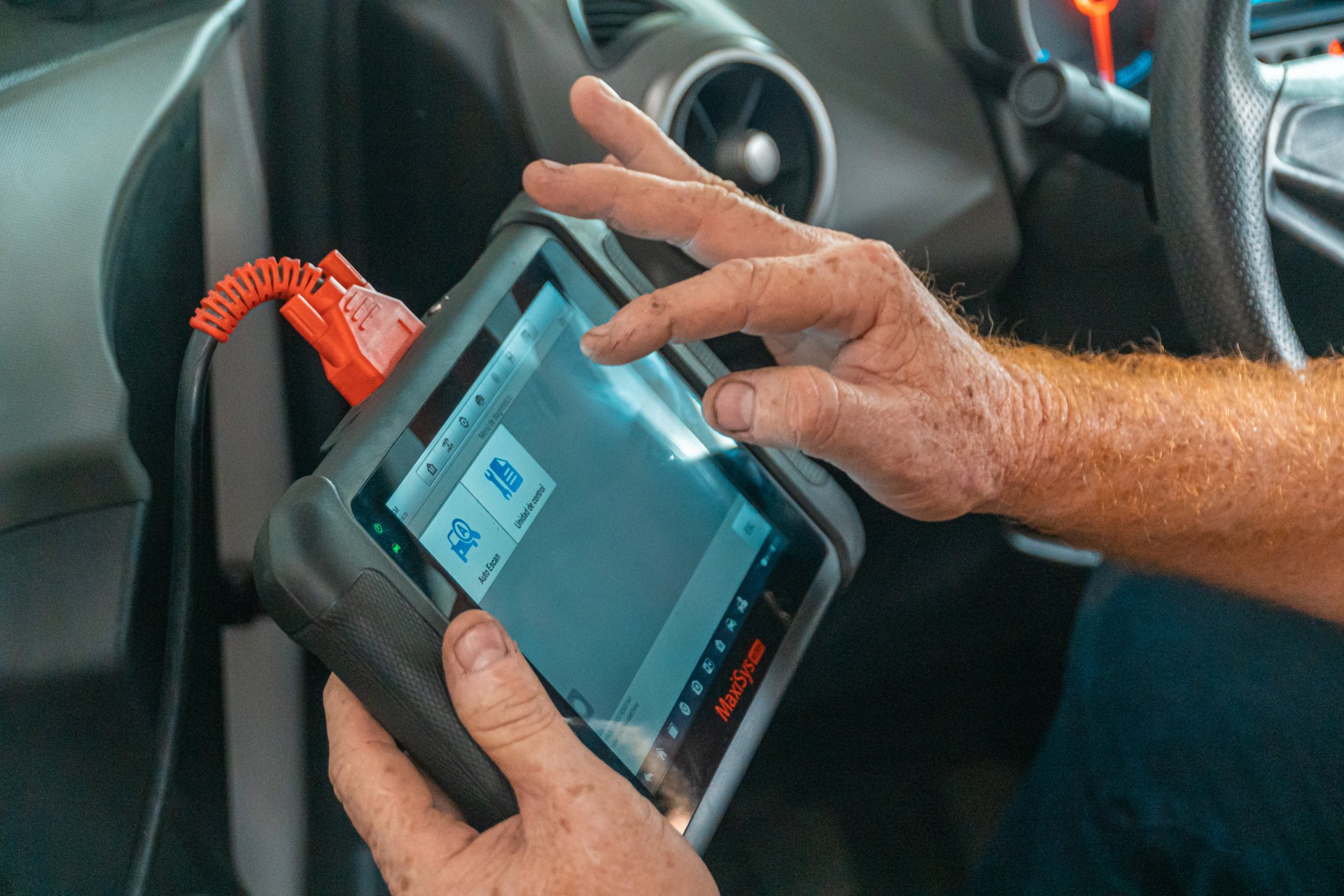
- Sensor scanning and calibration check
- Paint and clear coat thickness evaluation
- Electrical continuity testing
This ensures the vehicle is safe, functional, and ready for the road.
Final Thoughts: Small Collisions, Big Consequences
Minor collisions might look insignificant, but the damage underneath can affect your safety, your wallet, and your vehicle’s long-term performance. Whether it’s loose bumper supports, misaligned sensors, or subtle frame distortion, these issues rarely fix themselves. Getting a professional inspection is the smartest—and safest—decision you can make.
Ensure Your Car Is Safe
Don't guess with safety. Get a professional inspection today.