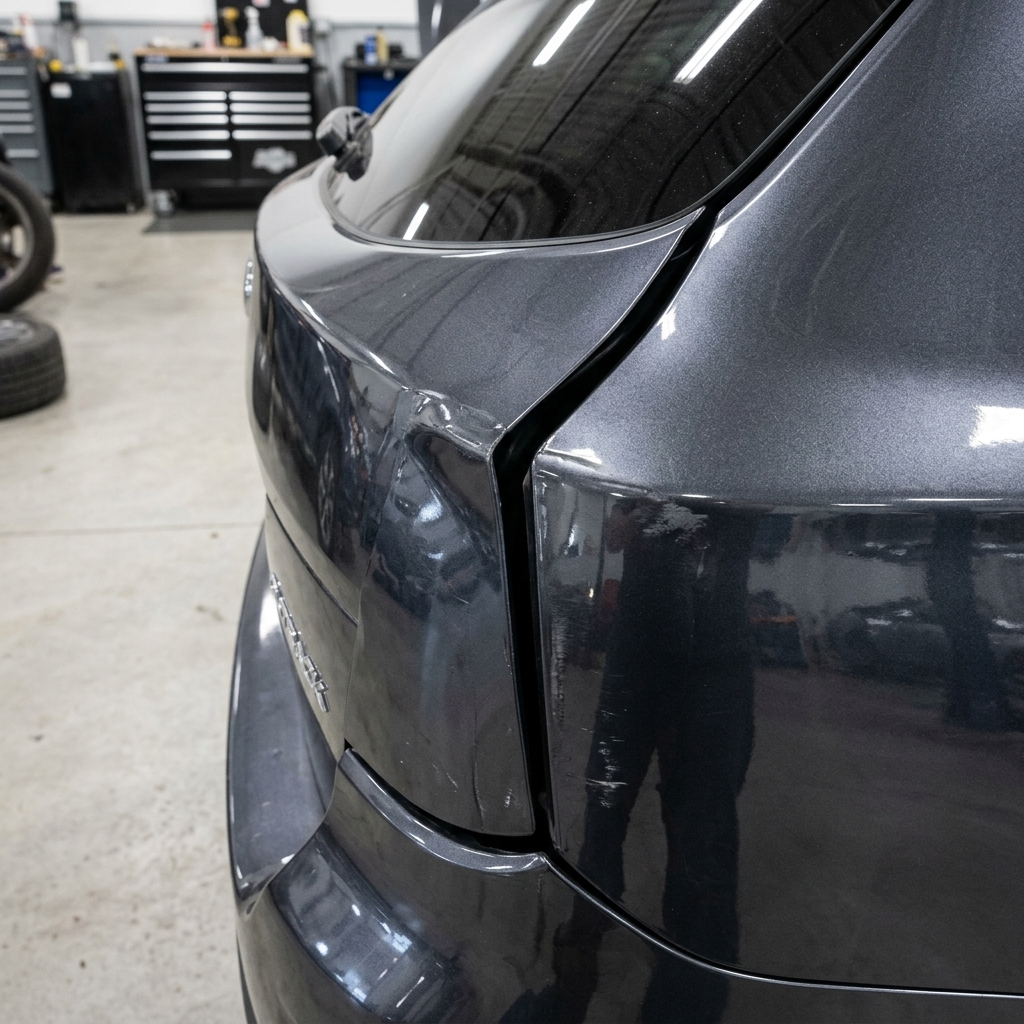
When a vehicle is involved in a rear-end collision, the most noticeable damage may be a dented trunk lid, a damaged bumper, or a cracked rear window. However, another component that deserves attention is the rear-window defroster.
The rear-window defroster helps drivers maintain visibility by warming the glass and reducing condensation, fog, and certain forms of frost. On many vehicles, it uses thin conductive lines across the inside of the rear glass. When the system is activated, electrical current passes through these lines, producing heat across the window.
Because these heating elements are integrated into or applied to the glass, damage to the rear window or its electrical connections can affect their operation. A collision may also lead to glass replacement or nearby repairs that make a defroster check appropriate.
For drivers seeking collision repair in Vancouver, WA, understanding this system can help them recognize why a complete repair assessment may include features that are not immediately obvious from the outside.
What Does a Rear-Window Defroster Do?
The rear-window defroster is designed to improve visibility through the rear glass. In many vehicles, it consists of a series of thin horizontal conductive lines that warm when the system is switched on. Some vehicles also incorporate additional heating elements for other glass areas or use different designs.
The system is particularly useful during cold, damp, or humid weather, when moisture can collect on the inside or outside of the rear window. By warming the glass, the defroster helps clear certain forms of condensation and frost.
Rear visibility is important when reversing, changing lanes, monitoring traffic, and checking the area behind the vehicle. Mirrors and cameras provide additional information, but they do not eliminate the importance of keeping the rear window clear.
The defroster does not replace the need to clear snow, ice, or other obstructions safely. Drivers should follow their owner's manual and ensure that visibility is adequate before driving.
How Can a Rear-End Collision Affect the Defroster?
A rear-end collision can damage the rear glass directly or affect the surrounding area. The outcome depends on the vehicle's design, the impact location, and the extent of the damage.
If the rear window cracks or requires replacement, the original defroster elements may be damaged or replaced as part of the glass assembly. The exact arrangement varies by vehicle, so the repair procedure must be appropriate for the specific model.
Even when the rear glass remains intact, nearby repairs may make it sensible to verify that the defroster still operates correctly. This is especially relevant when the collision affects components near the rear window or when the repair process involves removing, reinstalling, or disturbing related parts.
The electrical connections serving the heating elements can also be relevant during diagnosis. A connection that is damaged, disconnected, or not properly reconnected following an applicable repair may prevent the system from operating as intended.
However, a rear-end collision does not automatically mean that the defroster is damaged. The purpose of an inspection is to determine whether the system has been affected, rather than assume that every collision creates the same problem.
Understanding the Heating Lines on the Rear Glass
The fine lines visible across many rear windows are part of the heating system. They are not merely decorative markings. They conduct electrical current to warm the glass.
Because these lines are relatively delicate, they can be affected by physical damage, certain cleaning methods, abrasion, or damage associated with glass deterioration. If a line is broken, the affected portion may not heat properly.
This can produce a localized area that remains foggy or frosted while other parts of the window clear normally. Depending on the design and the nature of the fault, a driver may notice one or several sections that do not clear as expected.
It is important not to assume that every visible line is damaged. The lines are part of the original design, and a technician should evaluate suspected faults using an appropriate method.
Drivers should avoid scraping the inside of the rear window aggressively or using tools that may scratch the heating elements. They should also follow the vehicle manufacturer's cleaning recommendations, particularly when applying products or accessories to the glass.
Signs That the Rear-Window Defroster May Not Be Working Correctly
A defroster problem may become noticeable only when the weather creates a need for it. A driver may not recognize a fault during warm, dry conditions, even if the system has stopped working.
Common signs worth checking include:
The entire rear window remains foggy. If the glass does not begin clearing under conditions in which the defroster would normally help, the system may not be operating correctly. Environmental conditions and the amount of moisture can affect how quickly the glass clears, so a short delay does not by itself prove a fault.
Only certain sections clear. Localized areas of persistent fog or frost can indicate that some heating lines are not functioning as intended.
The defroster indicator activates, but the expected result does not occur. An illuminated switch or dashboard indicator does not independently confirm that every heating element is working.
The system behaves differently after a collision repair. If the defroster worked before the accident but no longer performs normally afterward, tell the repair provider. This timing is useful information, although it does not by itself establish the cause.
The system switches off or produces a warning unexpectedly. Vehicle designs differ, and some systems operate for a limited period or under specific conditions. Consult the owner's manual before concluding that an automatic shutoff indicates a defect.
These observations can help guide an inspection, but they are not a substitute for diagnosis.
Why Rear-Window Glass Replacement Requires Attention to the Defroster
On many vehicles, the defroster heating elements are integrated into the rear glass. If the glass is replaced, the replacement component must be suitable for the vehicle and its required features.
The technician should verify the relevant specifications rather than treating the rear window as a simple piece of glass. Depending on the vehicle, the glass may incorporate heating elements, antenna functions, or other equipment.
The repair process should also account for the associated electrical connections and any manufacturer-specific installation instructions. A correct fit and appropriate installation matter because the glass assembly must perform its intended functions after the work is completed.
Where applicable, the system should be checked following installation to confirm that the defroster operates as expected. If a problem is found, the cause should be identified before the repair is considered complete.
This does not mean every rear-window replacement involves a defroster fault. It means that a feature integrated into the replacement glass should be included in the verification process when relevant.
Could an Electrical Problem Be Responsible?
Yes, although the cause cannot be determined from symptoms alone.
The rear-window defroster depends on more than the heating lines. Depending on the vehicle, its operation may involve a fuse, switch or electronic control, wiring, connectors, and the heating elements themselves.
If the system does not work, a technician may need to determine whether the issue is associated with the electrical supply, a connection, the control system, or the glass's heating elements.
A collision may make a related inspection appropriate, but other faults can also develop independently of an accident. The diagnostic process should therefore consider the vehicle's symptoms, damage history, design, and relevant service information.
Drivers should not attempt to bridge electrical connections, modify wiring, or apply conductive products without confirming that the method is appropriate for their vehicle. Incorrect repairs can damage the heating system or create additional electrical problems.
Why This Matters During Vancouver's Damp and Cool Weather
In Vancouver, Washington, drivers may encounter cool mornings, rain, damp conditions, and seasonal frost. During these periods, rear-window visibility can become more difficult when condensation accumulates on the glass.
A functioning defroster can help clear the rear window, but it is only one part of safe visibility. Drivers should also keep the glass clean, ensure that mirrors are adjusted correctly, and use other visibility features as directed by the manufacturer.
A rear-window defroster problem may go unnoticed for weeks during mild weather. That is one reason it can be useful to check the system after a relevant collision repair instead of waiting until the first cold morning when rear visibility becomes difficult.
If the vehicle has recently been repaired, testing the defroster under suitable conditions and reporting any unexpected behavior can help identify an issue that needs further attention.
What Should Be Included in a Rear-End Collision Assessment?
The scope of an assessment depends on the damage and the vehicle's construction. A rear-end collision may require attention to several areas, and the exact inspection should follow the damage findings and applicable repair procedures.
Where relevant, the repair team may consider:
- The condition of the rear glass and whether it requires repair or replacement.
- Whether the defroster heating elements appear intact.
- Whether electrical connectors or related components were disturbed during the repair.
- Whether the replacement glass, if needed, includes the correct heating features.
- Whether the defroster operates as expected after applicable repairs.
- Whether further electrical diagnosis is required if the system does not function normally.
This is not a universal checklist for every rear-end collision. Some vehicles or damage patterns may require additional steps, while others may not involve the rear-window defroster at all.
The important principle is to match the inspection to the vehicle and the actual repair work.
Questions to Ask Your Collision Repair Provider
If your vehicle sustained rear-end damage, consider asking whether the rear glass or its surrounding components were affected.
You may also ask:
- Was the rear window inspected for damage?
- Does the vehicle have a defroster integrated into the rear glass?
- If the glass was replaced, does the replacement include the correct heating elements and features?
- Were any related electrical connections removed or disturbed during repairs?
- Was the defroster checked after the relevant work was completed?
- If the system is not working, what diagnostic steps are recommended?
These questions help establish whether the repair plan addresses the components relevant to your vehicle.
Choosing an Auto Body Shop in Vancouver, WA
A complete collision repair process should be guided by the actual damage, the vehicle's design, and the requirements associated with the work. Exterior appearance is important, but it is not the only consideration when a collision affects components that contribute to visibility or vehicle operation.
Motolux Collision Center can help you discuss your vehicle's collision damage and the areas that may require assessment. If the rear glass, its heating elements, or related electrical connections are involved, ask how these items will be inspected and whether specialist glass or electrical service is needed.
The appropriate process varies by vehicle. Clear communication about the scope of repairs and the checks relevant to the damaged components helps you understand what has been addressed.
The Bottom Line
A rear-window defroster is a practical visibility feature that can be overlooked when attention is focused on visible rear-end damage. Because its heating elements are often integrated into the glass, a damaged or replaced rear window may require a check of the defroster and its associated connections.
Not every rear-end collision affects this system, and not every defroster problem is caused by an accident. The right approach is to inspect the components relevant to the damage, follow vehicle-specific procedures, and investigate any unusual operation.
If your vehicle has been involved in a collision in Vancouver, WA, discuss the rear window and defroster with your repair provider when the damage or repair work makes them relevant.