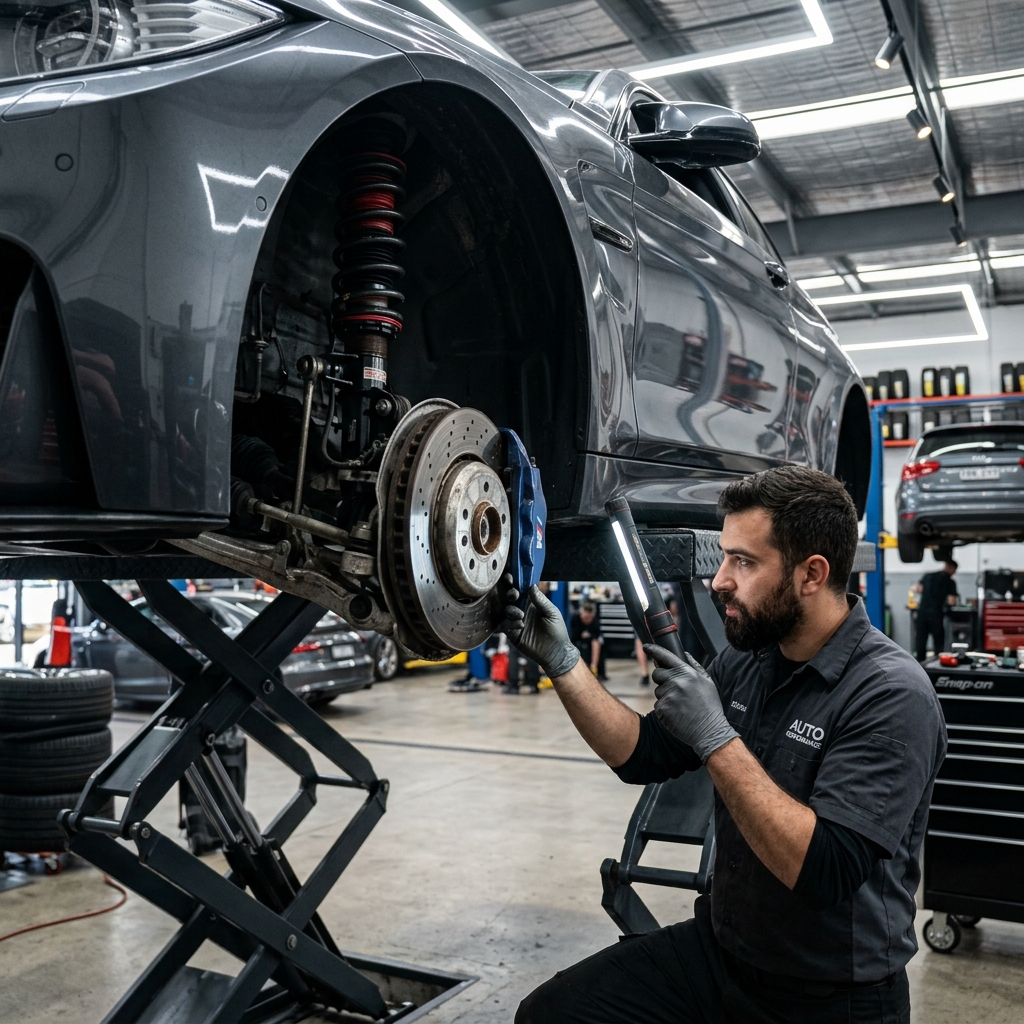
When a vehicle is involved in an accident, drivers naturally focus on the visible damage. A dented bumper, damaged quarter panel, or scratched exterior may be the first things they notice. However, a collision can also affect components that are located beneath or toward the rear of the vehicle, including parts of the exhaust system.
The exhaust system plays an important role in directing engine exhaust away from the vehicle, reducing noise, and supporting emissions-control functions. It consists of several components that work together, including exhaust pipes, catalytic converters, mufflers, resonators, brackets, hangers, and connecting sections. The exact arrangement depends on the vehicle.
If a collision affects the rear or lower portion of a vehicle, certain exhaust components or their mounting points may require inspection. Even when the exhaust pipe itself appears intact, damaged supports or displaced connections can create problems that may not be immediately obvious.
For drivers looking for collision repair in Vancouver, WA, understanding why the exhaust system matters after an accident can help them ask better questions during the repair process.
Understanding the Main Components of an Exhaust System
An exhaust system is more than a pipe extending from the engine to the rear of the vehicle. It is a connected assembly designed to manage exhaust gases and reduce unwanted noise.
Depending on the vehicle, the system may include:
- Exhaust manifolds or headers: These collect exhaust gases from the engine cylinders.
- Exhaust pipes: These carry gases through the system.
- Catalytic converter: This helps reduce certain harmful emissions.
- Resonator: This helps manage particular sound frequencies.
- Muffler: This reduces exhaust noise.
- Hangers and mounting brackets: These support the exhaust assembly and help maintain its intended position.
- Flexible joints and connections: These accommodate movement and vibration in designs that use them.
Each component has a specific purpose. Damage to one part can affect how the system is supported, connected, or operated.
How Can a Collision Affect the Exhaust System?
The effect of a collision depends on where the impact occurs and how the vehicle is constructed.
A rear impact may affect exhaust components located near the rear bumper or beneath the rear section of the vehicle. A lower impact may affect pipes, supports, or other exposed components. In some vehicles, the exhaust system is positioned close to body structures and other components, so the surrounding area may also need attention.
Not every rear-end collision affects the exhaust system. The damage must be assessed rather than assumed.
One area worth considering is the exhaust mounting system. Hangers and brackets help hold the exhaust assembly in its intended position. If a mounting point bends, breaks, or becomes detached, the exhaust may sit differently from its designed position.
A collision can also affect connections between exhaust sections. If a pipe or joint becomes displaced, the system may develop a leak or an abnormal sound. The actual condition should be established through an appropriate inspection.
Why Exhaust Hangers and Mounting Brackets Matter
Exhaust hangers are sometimes overlooked because they are not as visible as the muffler or exhaust pipe. However, they play an important role in supporting the system.
The exhaust assembly experiences heat cycles, vibration, and movement during normal vehicle operation. Its mounting arrangement is designed to support that movement while keeping the components in their intended locations.
When a hanger or bracket is damaged, the exhaust system may hang lower than expected or move more than it should. In some cases, a driver may notice a metallic rattle, knocking sound, or vibration that was not present before the collision.
A displaced exhaust component may also come into contact with nearby parts. This can produce additional noise or create damage if the vehicle continues to be operated with the affected component in an unsuitable position.
The correct repair depends on the component, the extent of damage, and the manufacturer's repair guidance. A damaged support should not simply be ignored because the exhaust pipe remains attached.
Signs That May Indicate Exhaust-System Damage
Some exhaust problems become noticeable immediately after an accident, while others may develop or become more apparent during normal driving.
Unusual rattling or knocking: A loose or displaced exhaust component may contact another part of the vehicle. A new metallic noise after a collision deserves attention.
Exhaust noise becomes louder: A damaged pipe, connection, or muffler may change the sound of the exhaust system.
A hanging or visibly displaced component: If an exhaust section appears lower than normal, loose, or out of position, the vehicle should be assessed before continued driving.
Exhaust odor: An unusual exhaust smell around the vehicle or inside the cabin can indicate a potentially serious issue. Exhaust gases can contain carbon monoxide, which is dangerous and cannot be reliably detected by smell alone. If exhaust fumes are suspected inside the cabin, stop driving when safe, move to fresh air, and arrange professional assistance.
New vibration: A displaced exhaust assembly may create vibration or contact-related noise. However, vibration has many possible causes and requires proper diagnosis.
These symptoms do not prove that collision damage is responsible. They are reasons to have the vehicle checked.
Why Exhaust Leaks Should Not Be Ignored
An exhaust leak can affect noise levels and may allow exhaust gases to escape from an unintended location.
The location of a leak matters. Depending on where it occurs, exhaust gases may reach areas where they should not be present. This is particularly important if fumes can enter the passenger compartment.
Carbon monoxide is colorless and odorless. A driver should never rely on smell as a reliable way to determine whether carbon monoxide is present.
If occupants experience symptoms such as headache, dizziness, nausea, or confusion while in a vehicle where exhaust exposure is suspected, they should leave the vehicle and seek appropriate emergency assistance.
A collision-related exhaust inspection should therefore consider the condition of pipes, connections, and mounting points, rather than concentrating only on exterior appearance.
What Should Be Checked During a Collision Assessment?
The inspection should reflect the location and severity of the impact. Depending on the vehicle and the damage, relevant checks may include:
- The visible condition of exhaust pipes and connecting sections.
- The position and condition of hangers and mounting brackets.
- The condition of accessible joints and connections.
- Evidence of contact between exhaust components and surrounding parts.
- The condition of the muffler and other components in the affected area.
- Signs that the system may be leaking.
- Any manufacturer-specific inspection or replacement requirements.
Some exhaust components may require additional specialist diagnosis. Certain emissions-related parts also have specific inspection and repair requirements.
A repair provider should not assume that a damaged component can be safely straightened or reused. The appropriate action depends on the part and the manufacturer's instructions.
Why the Exhaust System Should Be Considered During Rear-End Repairs
During rear-end collision repair, attention is often concentrated on the bumper, rear body panels, trunk area, and visible exterior damage. Depending on the vehicle's construction and impact location, the exhaust system may also be located within or near the affected area.
A complete assessment should identify which components were actually exposed to the impact or affected by the repair work.
This does not mean that every bumper repair requires exhaust replacement or that every rear collision causes exhaust damage. It means that the inspection should be guided by the damage rather than limited to what is easiest to see.
For example, if the impact area is close to an exhaust mounting point, checking that support may be appropriate. If the exhaust system is visibly displaced, its position and connections should be assessed before the vehicle is returned.
Can You Drive With a Damaged Exhaust System?
The answer depends on the type and severity of the damage.
A loose exhaust component, suspected exhaust leak, or part that is hanging close to the road can create safety concerns. If fumes may be entering the passenger compartment, continued driving can be dangerous.
Do not attempt to secure a damaged exhaust system with improvised materials or inspect hot exhaust components immediately after driving. Exhaust parts can remain extremely hot.
If the exhaust appears loose, is dragging, produces a sudden loud noise, or is associated with suspected fumes inside the cabin, stop driving when safe and arrange professional assistance.
A qualified technician can determine whether the issue requires repair, component replacement, or further testing.
Choosing Collision Repair in Vancouver, WA
A good collision assessment considers the parts affected by the impact, the vehicle's construction, and the repair procedures required for the specific vehicle.
Motolux Collision Center can be contacted to discuss collision damage and the areas that may require inspection. If an accident has affected the rear or lower portion of your vehicle, mention any new exhaust noise, visible displacement, or unusual odor when describing the problem.
The appropriate exhaust inspection or repair may require coordination with a qualified mechanical or exhaust specialist, depending on the vehicle and the work involved.
The Bottom Line
The exhaust system is an important part of vehicle operation, but it is easy to overlook when collision damage is concentrated on exterior body panels.
Damaged hangers, displaced pipes, loose connections, and possible exhaust leaks can create problems that are not always visible during a quick walk-around. An inspection should consider the components relevant to the impact and follow the manufacturer's repair requirements.
For drivers in Vancouver, WA, discussing exhaust-system concerns during a collision assessment can help ensure that the repair plan considers more than the visible body damage.